


Reaching USCIS by phone can feel like a small test of patience. You wait on hold. You follow the prompts. You hope you’re pressing the right option. And if English isn’t your first language, the stress doubles. Words feel heavier. Details feel sharper. You don’t want to misunderstand anything. You don’t want to say the wrong thing either.
That’s where USCIS Phone Assistance Interpreter Services quietly play a bigger role than many people realize. They exist so callers can speak, ask questions, and get help without worrying that language will get in the way.
These services make it possible to talk to USCIS, ask for updates, clarify instructions, and communicate clearly—regardless of the language someone feels most comfortable in.
In this guide, we walk through what the service is, when applicants can request it, and how it helps people navigate a phone system that is already stressful enough.
Some applicants also explore full-service support options like the USCIS interpreting services provided by The Language Doctors, which you can learn more about on their website. Others look into legal translation services or certified translation services when they need document support outside the phone system. These resources often make the overall immigration process a little easier.

What Are USCIS Phone Assistance Interpreter Services?
USCIS Phone Interpreter Services help callers communicate with USCIS customer service help representatives when they prefer to speak in a language other than English. It’s a simple idea, but it makes a huge difference.
Instead of relying on a friend or guessing your way through the call, you can speak in your language and let the interpreter relay your message accurately.
It is meant for clarity and safety. Above all, it is meant to help immigrants get the same reliable customer service as anyone else.
The goal is purely communication support, and not influencing the case in any way.
How USCIS Provides Language Support During Phone Inquiries
USCIS usually uses telephonic interpreters—professionals who join the conversation from a remote line. When you reach customer service after dialing the USCIS phone number, you can ask for language help. If the language is available, the agent will bring an interpreter into the call.
The system works like a three-way conversation.
You speak.
The interpreter communicates what you say. The USCIS representative responds.
The interpreter repeats the answer to you.
It is steady and structured. You don’t have to worry about technical phrases, specific terms, or the speed of the USCIS representative. The interpreter matches the pace and keeps the conversation clean.
Even native English speakers sometimes have trouble understanding immigration terminology, so this is beneficial for all callers who are nervous and doubt their language skills. The service is a lifeline for those who need it.
When Applicants Can Request Interpreter Help on USCIS Calls
You can request interpreter help at the moment you speak with a live representative. You don’t need to schedule ahead. You don’t need a special form. You don’t need prior approval.
You simply wait for the agent and say you need an interpreter. That’s it.
Many applicants use this when calling the USCIS phone number to ask about case processing times. Others use it when trying to reset an online account or when they need help understanding a notice they received in the mail. Some use it for questions about biometrics appointments or interview letters. There are many different situations, but the option is always available when speaking with a human representative.
Languages Commonly Offered Through USCIS Phone Support

USCIS generally offers interpreters for the most widely spoken languages among applicants. This includes Spanish, Arabic, Mandarin, Russian, and dozens more. Availability can vary, but common languages are usually easy to access.
The list isn’t publicly published in full, and some languages may require longer wait times. But the service continues to expand because immigrants come from everywhere, and USCIS understands that clear communication is essential.
When the language pool is limited or when someone needs specialized interpretation—such as rare dialects—many people turn to professional interpreter services outside USCIS for more personalized help.
Benefits of Using Interpreters for USCIS Phone Assistance

The biggest benefit is accuracy. A close second is confidence. When someone talks to USCIS with an interpreter, they can ask questions without hesitation. They don’t waste time apologizing for their English. They don’t feel embarrassed about misunderstanding something. They can focus on the message instead of the fear of mistakes.
Other benefits include:
- Better understanding of case updates
- Clearer explanations of notices
- Less confusion about deadlines and requirements
- Reduced stress during the call
- More reliable communication overall
Calls tend to move faster when everyone understands each other. Applicants feel more respected. Immigration officers spend less time repeating instructions. It’s a win-win situation for everyone.
Limitations Applicants Should Know About USCIS Phone Interpreting
There are a few practical limits to keep in mind.
First, USCIS interpreters can only assist with communication—not legal advice. They can’t change your answer or soften its meaning. They translate exactly what you say.
Second, some languages may not be available every time. If the interpreter pool is busy or the language is rare, you may need to wait longer or call back.
Third, interpreters are for phone communication only. They cannot help with document translation or interview preparation. That’s when many people turn to outside help, such as professional legal translation providers or certified translators who specialize in immigration documents.
Finally, USCIS may have policies that restrict who can speak on your behalf. While interpreters are neutral, family members come with limitations.
FAQ

Does USCIS offer interpreters for phone calls?
Yes. USCIS provides interpreter support for many languages during phone calls, especially for applicants who prefer not to communicate in English.
How do I request an interpreter during a USCIS phone inquiry?
You simply ask the representative once you’re connected. There’s no form and no advance request needed.
Is USCIS phone interpreting available in all languages?
Not all. Common languages are usually available, but rare ones may require longer wait times.
Are interpreters free for USCIS phone assistance?
Yes. USCIS provides phone interpreting at no cost to the caller; however, this only applies to basic information. For USCIS interviews, you are responsible for providing a certified interpreter.
Can family members interpret during USCIS calls?
They can speak on the call if allowed, but USCIS prefers neutral, trained interpreters to avoid misunderstandings and privacy concerns.
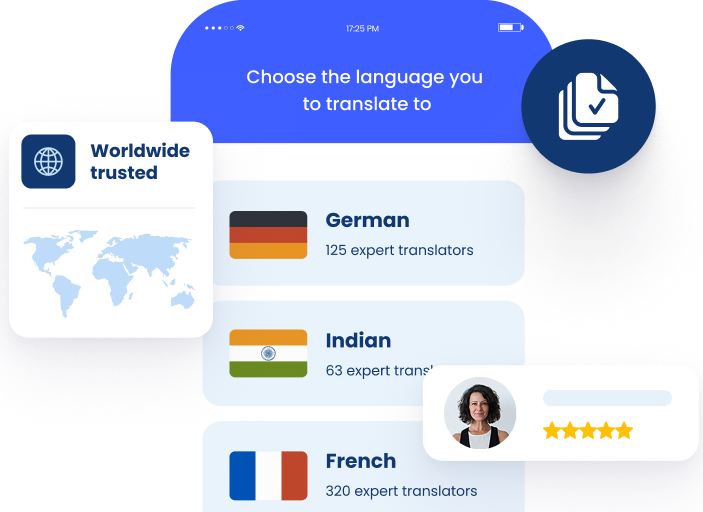
At The Language Doctors, we specialize in USCIS-certified translations that are trusted and accepted by immigration attorneys, government agencies, and embassies worldwide.
With our service, you can expect fast 24–48 hour turnaround times, certified translations in over 200 languages, and PDF delivery complete with a signed Certificate of Accuracy.
Everything you need to meet USCIS requirements with confidence. We offer affordable flat-rate pricing, so you always know what to expect with no hidden fees.
Get your USCIS translation today. Accurate, certified, and hassle-free.