
The Role of Certified Translation in a Successful USCIS Application
When applying for immigration in the United States, every document submitted to USCIS (U.S. Citizenship and Immigration Services) must be in English. If your original documents are in another language, they must be accompanied by a certified English translation to avoid delays, rejections, or requests for evidence.
In this post, we’ll cover the top 10 documents that typically require certified translation for USCIS, and how to get them translated the right way.
Why USCIS requires certified translations
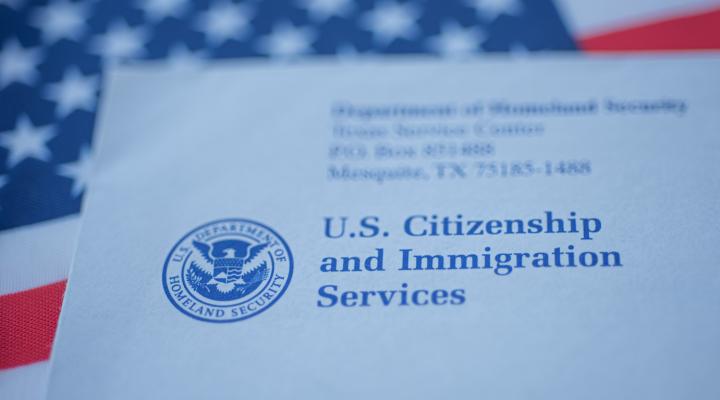
USCIS mandates that any document written in a foreign language must be submitted with a complete English translation. The translation must also include a certificate of accuracy, signed by the translator or translation agency, confirming the translation is complete and accurate. Failure to submit properly certified translations can result in application rejections, processing delays, or worse, missed immigration opportunities.

Top 10 immigration documents that require certified translation for USCIS approval
When applying to USCIS, certain documents must be submitted with certified English translations. Failing to provide accurate translations for these can lead to delays or rejections.
We’ve prepared a list of the top 10 immigration documents that typically require certified translation:
1. Birth Certificates
Birth certificates establish critical information about an applicant’s identity, nationality, and family relationships, which are essential for most immigration processes. A certified birth certificate translation ensures that USCIS can accurately verify the applicant’s place of birth, parentage, and legal name, all of which influence eligibility for various visas and family-based petitions.
2. Marriage Certificates
Marriage certificates provide proof of a legal marital relationship, which is a key factor in spousal visa, green card, and dependent applications. A professional marriage certificate translation allows USCIS officers to confirm the validity of the marriage under U.S. immigration law and helps prevent fraud or misrepresentation in family-based petitions.
3. Divorce Decrees
A properly translated divorce decree translation is required to prove that any prior marriages have been legally dissolved. This documentation is vital when applying for marriage-based immigration benefits, as USCIS must ensure that the petitioner and beneficiary are legally free to marry under U.S. law.
4. Academic Transcripts and Diplomas
Academic records are often required for visa categories related to employment or education, such as student or professional visas, or when applying for adjustment of status. Accurate academic document translation of transcripts and diplomas helps USCIS verify an applicant’s qualifications and eligibility for programs or job positions that require specific educational backgrounds.
5. Police Clearance Certificates
Police clearance certificates are used to conduct background checks during residency, green card, or naturalization applications. A professional police clearance certificate translation enables USCIS to review an applicant’s criminal history, if any, and assess their moral character and admissibility to the United States.
6. Passports (ID Pages)
The ID pages of a passport serve as an official proof of identity and citizenship from the applicant’s country of origin. Providing an accurate passport translation ensures that USCIS officers can correctly interpret vital details such as name, date of birth, nationality, and passport validity, which are used throughout the immigration process.
7. Adoption Records
For adoption-based immigration petitions, USCIS requires translated adoption document translation to verify the legal status of the adopted child and ensure compliance with both U.S. and international adoption laws. Professional translation helps demonstrate that the adoption was finalized according to the relevant legal standards.
8. Bank Statements and Financial Records
Financial documents, such as bank statements, are used to prove an applicant’s financial stability or a sponsor’s ability to support the applicant. Clear and certified financial document translation provides USCIS with accurate evidence of income, savings, and overall financial health, which is critical for avoiding public charge concerns.
9. Affidavits and Supporting Letters
Affidavits and supporting letters provide personal or professional statements that can substantiate various aspects of an immigration case, such as relationships, character, or hardship. Using professional affidavit translation services ensures that USCIS officers can fully understand the content and context of these statements when making a determination.
10. Death Certificates
In family-based immigration cases where a petitioner or qualifying relative is deceased, a translated death certificate translation is required to verify the change in family circumstances. This helps USCIS confirm the applicant’s eligibility under categories such as widow(er) petitions or to update existing applications accordingly.
Top 4 Translation Errors That Cause USCIS Delays and Rejections
1. Using automated translation tools like Google Translate
One of the biggest pitfalls applicants face is relying on automated tools such as Google Translate. While these tools can offer rough translations, they lack the precision, nuance, and legal accuracy required for USCIS submissions. Machine translations often introduce errors, misinterpret legal terms, and fail to maintain consistent formatting, all of which can result in immediate rejection or requests for re-translation. USCIS explicitly requires translations to be certified and accurate, something no automated tool can guarantee.
2. Submitting incomplete translations
Another frequent mistake is translating only selected portions of a document. An example of incomplete transaltion would be translating just the main text while omitting footnotes, seals, signatures, or handwritten annotations. USCIS requires a full, word-for-word translation of the entire document, including all visible text and notations. Submitting an incomplete translation can lead to delays, rejections, or the perception of document tampering.
3. Omitting the certificate of accuracy
Another frequent mistake is translating only selected portions of a document. An example of incomplete transaltion would be translating just the main text while omitting footnotes, seals, signatures, or handwritten annotations. USCIS requires a full, word-for-word translation of the entire document, including all visible text and notations. Submitting an incomplete translation can lead to delays, rejections, or the perception of document tampering.
4. Hiring non-certified translators without immigration experience
Not all translators are qualified to handle USCIS document requirements. Hiring a translator who lacks immigration specific experience or proper credentials can result in translations that fail to meet USCIS standards for accuracy, formatting, or certification. Worse, errors or inconsistencies introduced by inexperienced translators can raise red flags or lead to permanent denials. It’s crucial to use a professional translator or certified translation service that understands USCIS guidelines and has a proven track record in immigration document translation.