
USCIS I-485 Adjustment Status Driving License Translation Needs


TL;DR: Some adjustment of status applicants include a foreign driver’s license with their I-485 paperwork as extra identity proof. When the license contains non-English text, USCIS normally expects a certified English translation with the filing. Small mistakes with names, restriction codes, issuing authorities, or date formats can lead to delays or RFEs.
The Language Doctors translates foreign driver’s licenses for adjustment of status filings using USCIS-compliant certification standards, including back-side translations, official seals, and identity detail verification.
Most people focus on passports, birth certificates, and marriage records during the adjustment of status process. Then USCIS asks for additional identity documentation.
That is where driving licenses sometimes become important.
A foreign driver’s license may be used as secondary identification during an I-485 filing, especially when applicants need extra identity proof or supporting records connected to address history, legal presence, or prior documentation.
The problem is that many licenses are not straightforward to translate. Some contain abbreviations, regional restriction codes, non-Latin alphabets, or state-specific formatting that does not match US government records.
The Language Doctors handles USCIS I-485 driving license translation requests regularly for applicants trying to avoid delays, document confusion, or Request for Evidence.

Why Driving Licenses Create I-485 Identity Verification Nightmares
A driving license looks simple at first glance. But immigration officers examine details very carefully when identity documents are involved.
Names, dates, and issuing agencies should match the rest of the paperwork in the application whenever possible. Even small differences can raise questions during review.
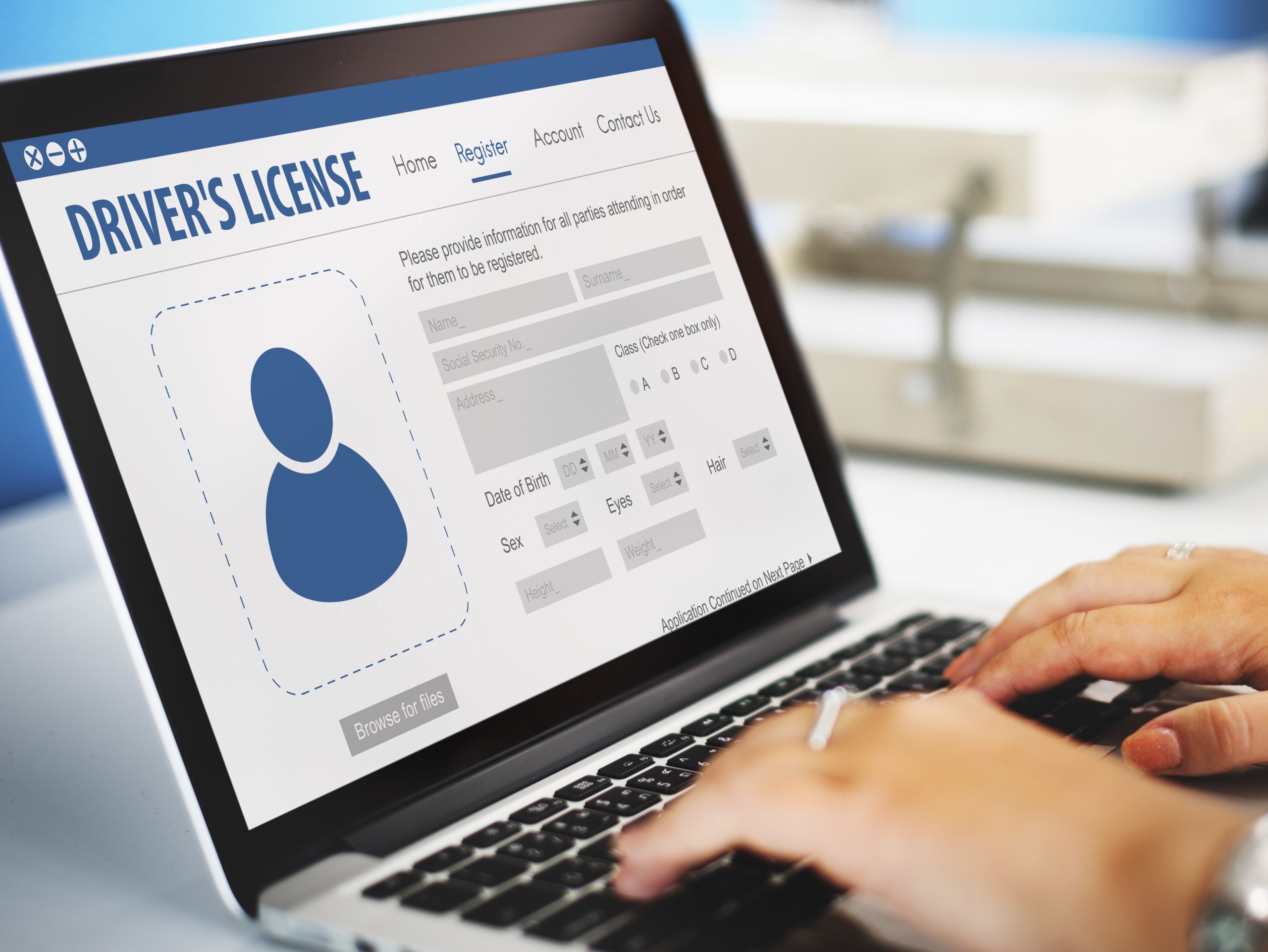
Secondary government-issued photo ID requirements
Some applicants include a foreign driver’s license with their adjustment of status paperwork along with a passport, national ID card, or other records.
This usually comes up when the license helps show past addresses, confirms a legal name, or matches information already listed in earlier immigration documents.
When reviewing an application, USCIS may compare the information on different documents to see whether everything matches. That includes spelling differences, date formatting, and untranslated sections on the back of the license.
State-specific license format translation challenges
Not every foreign license follows the same structure.
In some countries, the surnames appear before the given name, and certain licenses also use local abbreviations or shortened terms.
Certain licenses contain multiple languages already printed on the card.
State issued license translation I-485 cases become more complicated when older licenses use outdated regional names or local government terminology unfamiliar to US reviewers.
A direct word-for-word translation is usually not enough. The document still needs to make sense in a USCIS context.
Expiration date format DD/MM vs MM/DD confusion
Date formatting problems appear more often than expected.
A license expiration listed as 04/07/2026 may be interpreted differently depending on the country that issued it. One person reads April 7th. Another sees July 4th.
Date formats and other small details are important during the adjustment status identity document translation review because USCIS checks information across the full application package.
TLD reviews dates carefully during the certification process so the translated records stay clear and consistent.
TLD Complete I-485 Driving License Translation Standards
USCIS-certified translations need more than basic language conversion. Everything visible on the document matters, and it needs to be translated.
Full license face + back certification
Many foreign licenses contain important information on the back side. Restriction codes, issue dates, regional endorsements, and barcode text may appear there.
TLD translates both sides when necessary so the certification package stays complete.
Vehicle class and restriction terminology
Vehicle classifications often vary by country.
A license category that makes sense locally may not translate directly into US terminology. Some restriction codes also require explanation rather than literal translation.
Vehicle license immigration certification work needs accuracy here because unclear terminology can create identity questions later.
Issuing authority official seal translation
Some foreign licenses include ministry seals, regional stamps, or abbreviated government authority names.
Those details are translated as part of the certification process because USCIS may review the issuing authority closely during document verification.
Most Common Driving Documents Requiring I-485 Certification
Foreign driver’s licenses are the most common documents submitted for this purpose, but they are not the only ones.
International driving permits sometimes require translation for USCIS applicants. Temporary licenses, learner permits, motorcycle endorsements, and older regional driving cards may also need certification if included in the filing package.
Some applicants submit expired licenses, too, especially when the document helps connect older immigration or address records.
What matters most is consistency across the application itself.
Step-by-Step I-485 Driving License Translation Process

Most applicants do not realize how detailed identity document review can become until USCIS requests clarification. That is why early document preparation matters.
High-resolution scan requirements (300 DPI minimum)
Clear scans make a major difference during translation.
Blurry images often hide expiration dates, restriction codes, hologram text, or regional abbreviations. TLD usually recommends high-resolution scans whenever possible so every visible detail can be reviewed correctly.
6-Point USCIS identity document verification
Before a translation is certified, the information on the license is reviewed closely against the original document.
That includes names, dates, document numbers, issuing agencies, and any restrictions printed on the license. In some cases, even abbreviations or formatting differences can create confusion during an adjustment of status review.
Many foreign license RFEs come from small inconsistencies that were overlooked the first time around.
State DMV format vs federal USCIS standards
A driving license accepted by a local DMV does not automatically satisfy federal immigration review standards.
USCIS may examine the document differently than a state licensing office would. Especially during adjustment status processing. That difference surprises many applicants.
International Driving Permit coordination
International driving permits often work together with the original foreign license rather than replacing it.
If both documents are submitted, translations need to remain consistent across names, dates, license classes, and issuing information.
Driving License Translation Mistakes That Trigger I-485 RFEs
Most Requests for Evidence connected to identity documents come from small preventable issues. Not major fraud concerns.
License class terminology inaccuracies
Certain vehicle classes do not translate directly into English.
Literal translations sometimes create wording that USCIS reviewers do not recognize clearly.
Issuing jurisdiction name errors
Regional government names can be difficult to translate accurately. Some cities, provinces, or administrative divisions also have multiple accepted English spellings.
Incorrect jurisdiction names may create identity verification delays.
Restriction codes untranslated or misunderstood
Restriction codes often appear as letters or abbreviations without explanation.
If those codes remain untranslated, important information may be missing from the certified document package.
TLD Prevents I-485 Driving License Document Rejections
The Language Doctors reviews foreign licenses carefully before certification is finalized.
That includes date formatting, issuing authority names, visible seals, restriction terminology, and identity consistency across the document itself.
Many USCIS I-485 driving license translation problems start with rushed translations that skip small details. Those details matter later. Especially during RFEs.

TLD USCIS I-485 Driving License Translation Services
Adjustment filings are already stressful enough without document problems slowing everything down. TLD works on certified translations for identity documents, specifically for immigration related matters.
Rush processing for adjustment deadlines
Rush processing is the preferred option for applicants facing filing deadlines and RFEs, but also interviews and pending immigration responses.
Complete I-485 identity document packages
Driving licenses, passports, national IDs, birth certificates, and supporting records can be prepared together as one certified package.
Free government-issued ID compliance review
Applicants can request a review of existing identity documents before submitting the final filing.
Instant driving license translation quote
Quotes for foreign driver’s license translations are usually provided quickly once the document images are reviewed.
FAQs
If the license is being submitted with the adjustment application and it is not fully in English, USCIS generally requires a certified translation.
Any foreign government-issued driver’s license submitted with an I-485 application may need a certified translation if any part of the document is not in English.
RFEs are caused by untranslated parts of the license and mismatched names across records. Also, when issuing agencies are unclear, or codes and restrictions are missing from the translation. Date format mistakes can create delays as well.
Yes. The Language Doctors translates international driving permits, foreign driver’s licenses, and other supporting identity documents used in immigration filings.
For any urgent process or one-page request, TLD has same-day delivery.
At The Language Doctors, we specialize in USCIS-certified driving license and identity document translation services – trusted by adjustment of status applicants, families and immigration attorneys to keep I-485 filings moving without rejections or delays.
With our service, you can expect full front and back document certification, precise translation of vehicle classifications or restriction codes and strict date validation that prevents formatting confusion during identity reviews.
Everything you need to translate foreign driver’s licenses, international driving permits and national ID cards with the exact formatting I-485 reviews require. We offer a free government-issued ID compliance review and rush processing for tight deadlines, so you always know what to expect with no hidden fees.
Get your free I-485 driving license translation quote today. Certified, precise and ready to file.