


TL;DR: Submitting translated documents is not just about language. USCIS wants full translations, proper certifications, and clean formatting. Small oversights are a common reason for requests for evidence.
Submitting translated documents to USCIS rarely feels urgent at first. It is often treated as paperwork, something to handle after the forms are filled out and the filing fee is paid.
Then a notice arrives. Or worse, nothing arrives at all.
The reality is that submitting translated documents to USCIS is not a minor step. It is part of the core review process. Officers rely on those translations to make decisions that affect work authorization, residency, and family unity. When translations are incomplete or improperly submitted, cases slow down. Sometimes they stop entirely.
This guide walks through the USCIS certified translation submission process as it applies to translations, explaining how to submit translations to USCIS in a way that avoids preventable delays.
Why USCIS Requires Certified Translated Documents
USCIS adjudicators work exclusively in English. They are not permitted to interpret foreign-language documents, even if the meaning seems obvious.
A certified translation exists to remove doubt. It tells the officer that the English version can be trusted as a full and accurate reflection of the original document. Not a summary and not an interpretation.
That’s why USCIS enforces certified translation submission rules all the time. Officers do not assess intent; they assess compliance.
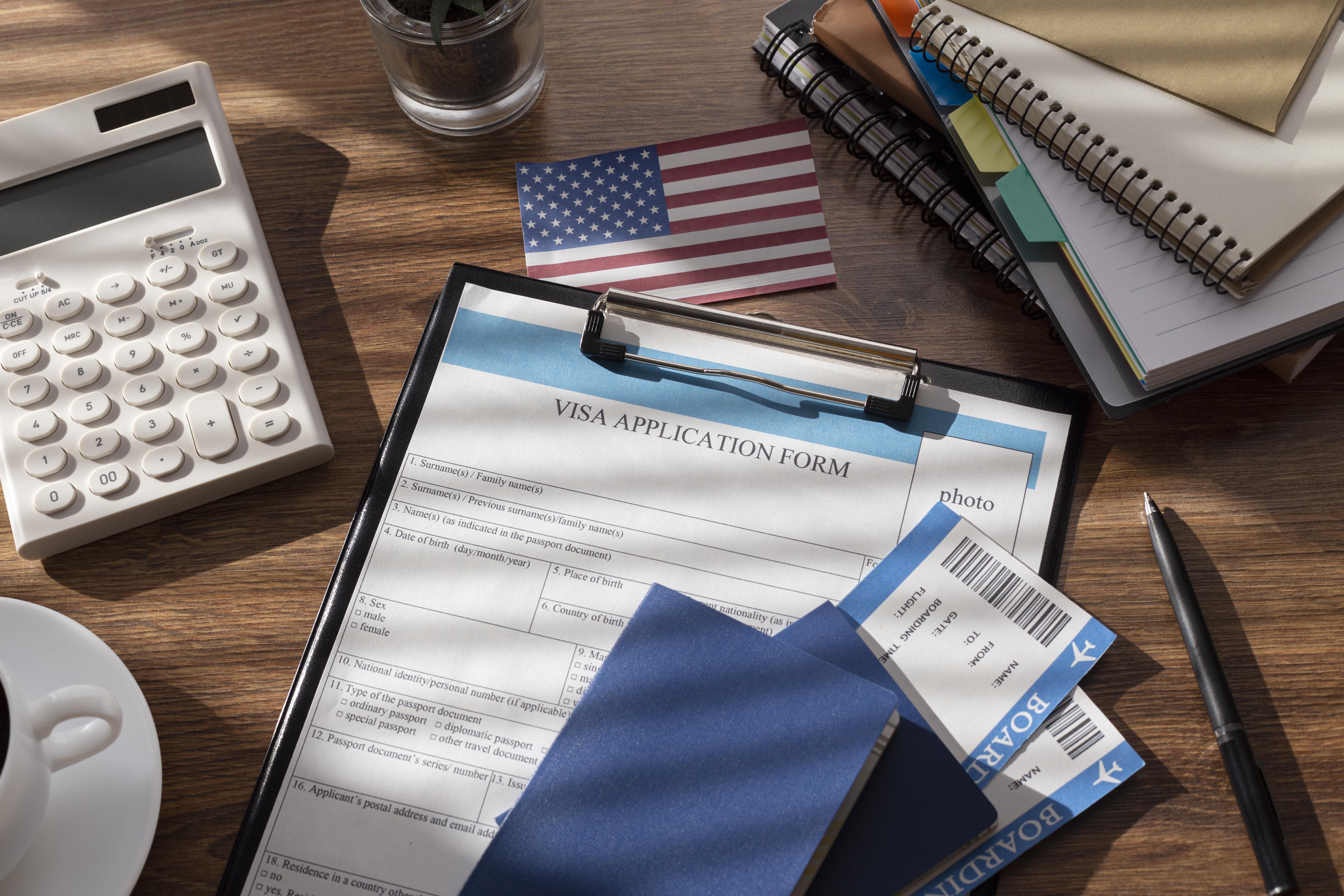
USCIS Translation Requirements You Must Follow
USCIS translation requirements are straightforward, but they are not forgiving.
Every document issued in a language other than English must include a complete English translation. This includes stamps, seals, marginal notes, handwritten entries, and formatting elements that carry meaning.
Each translation must also include a signed certification statement from the translator. The statement must confirm two things only: that the translation is complete and accurate, and that the translator is competent in both languages.
The USCIS certified translation format does not require notarization. What it requires is clarity and completeness. When either is missing, problems follow.
Step 1: Identify Documents That Require Translation for USCIS
Applicants often underestimate how many documents need translation.
Birth certificates are obvious. Marriage certificates as well. USCIS also expects translations of court records, police certificates, academic transcripts, employment letters, and any supporting documents that contain foreign-language text.
If a document includes even one non-English sentence, it must be translated in full. Partial translations are one of the most common reasons for USCIS rejected translated documents.
A reliable document translation checklist for USCIS begins with a simple rule: if it is submitted, it must be readable in English.
Step 2: Choose a Qualified Certified Translator for USCIS
USCIS does not maintain a list of approved translators. Instead, responsibility falls on the applicant.
Anyone can translate in theory. In practice, this is where many cases get stuck. Informal translations often miss formatting details or use certification language that does not meet USCIS expectations.
Professional teams that provide certified translation services tend to approach immigration filings differently. They understand how USCIS officers review a case file, what draws attention, and what causes delays.
Specialists in legal translation services add another layer of consistency. Petitions, affidavits, and supporting records read as parts of a single file rather than separate pieces prepared at different times. That continuity matters more than most applicants realize.
This has less to do with titles or certificates and more to do with experience. Familiarity with the process changes how translations are prepared.

Step 3: Review Translation Accuracy and Certification Statement
Before anything is submitted, the translation should be reviewed slowly and compared line by line with the original document.
Names should appear exactly as they do on forms and prior filings. A missing accent or an extra letter can create confusion. Dates should follow the same structure used elsewhere in the application. Numbers, case identifiers, addresses, and locations must remain unchanged.
The certification statement is where many filings run into trouble. Officers look for clear language confirming accuracy and language competence. If the wording feels incomplete or unclear, attention shifts immediately.
Many common mistakes when submitting translations to USCIS start here. A missing signature. Language that avoids responsibility instead of stating it directly. A statement that sounds official but never actually confirms accuracy. These details may seem minor, but they are often enough to trigger a request for evidence.
USCIS does not revise translations. It only evaluates them.
Step 4: Submit Translated Documents to USCIS Correctly
Submission errors are more common than translation errors.
For paper submissions, translations should be placed right behind the original document. Officers should not be expected to look for them. For online submissions, applicants frequently inquire about the proper method to upload translated documents to USCIS online without causing confusion.
The most secure method is to submit the original document and the certified translation either as a single combined file or as distinctly labeled pairings.
The safest approach is to upload the original document and the certified translation together as a single file or as clearly labeled pairs. Scans must be complete and properly oriented.
The same USCIS translation requirements apply whether documents are mailed or uploaded. The format changes, but the standards do not.
Step 5: Avoid Common USCIS Translation Submission Mistakes
Some errors appear repeatedly.
Applicants submit partial translations. They forget certification statements. They upload documents separately, assuming officers will connect them. They rely on poor-quality scans.
Each of these mistakes increases the likelihood of USCIS rejecting translated documents. None of them is complex. All of them are avoidable.
A step-by-step USCIS translation submission process exists for a reason. Following it matters.
How Professional Translation Services Help Prevent USCIS Delays

Professional translation services often prevent small errors from derailing an otherwise strong case. Not because applicants misunderstand the process, but because immigration filings leave little room for interpretation.
Teams that work regularly with USCIS understand how officers move through a file. They recognize which details slow reviews and which raise follow-up questions. That experience shapes how documents are prepared from the start.
Some applicants also rely on USCIS interpreting services during interviews because clear communication is as important as paperwork. It reduces misunderstandings and keeps the focus on the case.
When translation documents are prepared correctly from the start, the process moves forward without delays. Fewer corrections mean fewer pauses, and over time, that difference adds up.
FAQ
How do I submit translated documents to USCIS?
Send in both a copy of the source document and a full English translation. Include a statement signed by the translator that says it is accurate and complete and that the translator is certified.
Does USCIS accept scanned certified translations?
Yes, scanned versions are acceptable as long as all pages are readable and the certification statement is included.
Can USCIS reject improperly submitted translations?
Yes. USCIS rejected translated documents often result from missing certifications, incomplete translations, or formatting errors.
Do online USCIS filings require certified translations?
Yes. USCIS certified translation submission rules apply equally to online and paper filings.
What happens if translated documents are missing or incorrect?
USCIS may issue a request for evidence, delay adjudication, or deny the application.
Submitting translated documents to USCIS is not about formality. It is about clarity. When translations are accurate, properly certified, and submitted correctly, officers can review cases without interruption. That is what keeps applications moving.
At The Language Doctors, we specialize in USCIS-certified translations that are trusted and accepted by immigration attorneys, government agencies, and embassies worldwide.
With our service, you can expect fast 24–48 hour turnaround times, certified translations in over 200 languages, and PDF delivery complete with a signed Certificate of Accuracy.
Everything you need to meet USCIS requirements with confidence. We offer affordable flat-rate pricing, so you always know what to expect with no hidden fees.
Get your USCIS translation today. Accurate, certified, and hassle-free.