


TL;DR: Poorly translated equipment contracts create real legal risk. Small wording errors can lead to disputes, unenforceable clauses, and financial loss, especially in cross-border deals. Proper legal translation protects the contract before problems start.
Equipment contracts look straightforward on paper. A machine. A price. A delivery date. A set of obligations on both sides.
But once those contracts cross borders, language becomes a legal risk. A single mistranslated clause can change responsibilities, timelines, or liability. And when equipment is involved, the consequences are rarely small.
The legal risks of poorly translated equipment contracts are often discovered too late. After installation. After payment. Sometimes after failure.
For companies working with international suppliers and manufacturers, translation is not a formality. It is a legal safeguard.

Why Accurate Translation Is Critical for Equipment Contracts
Equipment contracts sit at the intersection of law and engineering. They contain technical specifications and compliance requirements. As well as warranty and jurisdiction clauses. Every word matters.
When accuracy slips, so does legal clarity. Obligations can be interpreted differently by the involved parties while courts may struggle to determine intent. Regulators may reject documentation altogether.
International equipment contracts translation must preserve legal meaning, not just language. A contract that reads well but shifts legal intent is a liability.
This is why legal contract translation risks are higher for equipment agreements than for many other commercial documents. The complexity is built in.
Common Translation Errors in Equipment and Machinery Contracts
Most equipment contract translation errors are not dramatic. They are subtle. That is what makes them dangerous.
One common issue is inconsistent terminology. A piece of machinery may be referred to by different terms across sections. In legal disputes, that inconsistency can be exploited.
Another frequent problem is mistranslating technical standards. Measurements, tolerances, or performance thresholds may be altered unintentionally. Machinery contract translation issues often begin here.
Warranty clauses are also vulnerable. A single verb tense can change whether a warranty is active, limited, or voided.
Equipment agreement translation errors also occur in the governing law clause (jurisdiction, arbitration terms). These are not areas where approximation is acceptable.
Legal Risks Caused by Poorly Translated Equipment Contracts
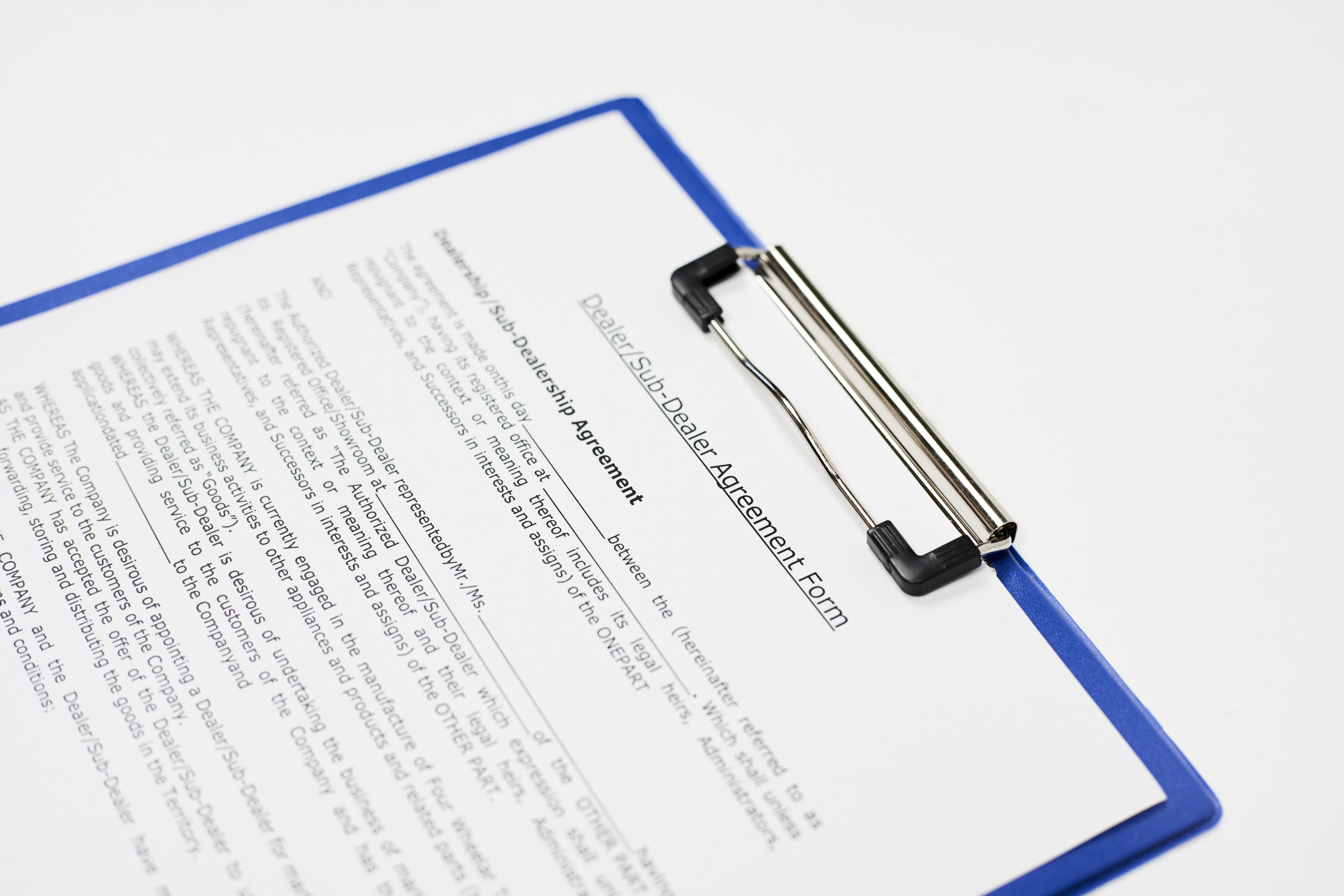
The legal risks of poorly translated equipment contracts surface in multiple ways. Contract disputes are the most common.
A buyer may claim non-performance. A seller may deny responsibility. Each side points to a different version of the same clause.
Legal disputes from translation errors often involve liability allocation. Who pays when equipment fails? Who bears responsibility for delays? What about regulatory penalties?
Poorly translated contracts legal liability can also extend beyond the contracting parties. Distributors, operators, and end users may be pulled into litigation.
In regulated industries, authorities may invalidate contracts that fail to meet language or compliance standards.
How Translation Errors Impact Contract Enforceability
A contract must be enforceable to protect anyone. Translation errors directly threaten enforceability.
Courts examine intent. If two language versions conflict, judges must decide which prevails. That decision may not favor either party.
How bad translations affect contract enforceability often comes down to ambiguity. When a contract does not clearly spell out who must do what, courts hesitate. If a clause is vague because of translation, it may be ignored entirely.
In certain jurisdictions, a contract can go further than that. If a party can show they never fully understood their duties because the translation was flawed, the agreement itself may be challenged. This happens often with cross-border equipment leases, where technical and legal language collide.
At that point, the contract stops protecting you. Your negotiating power is gone.
Financial and Operational Consequences of Contract Misinterpretation
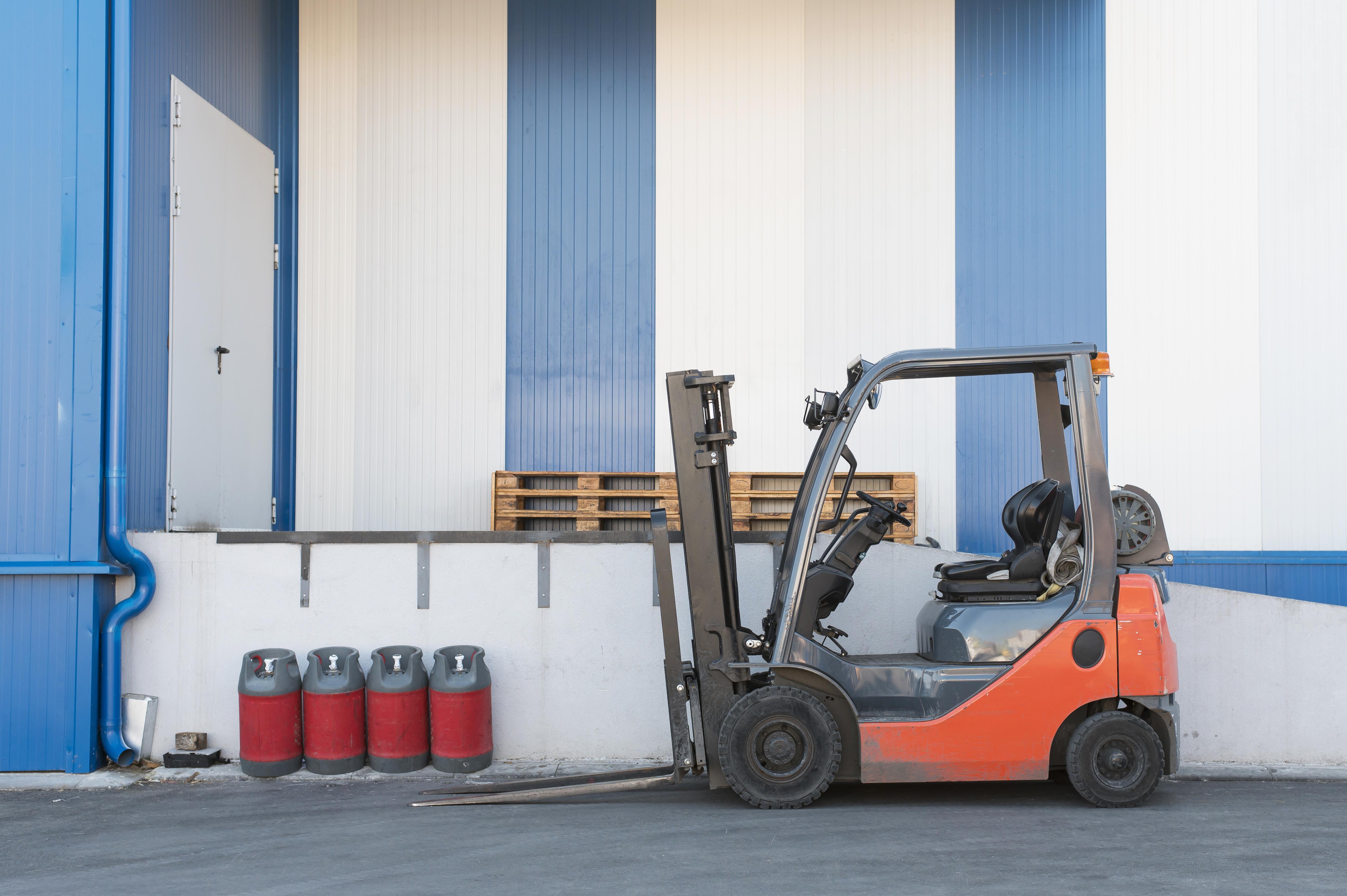
The consequences of incorrect equipment contract translation are not limited to legal fees. They disrupt operations.
Equipment may sit idle during disputes. Production schedules slip. Replacement parts are delayed. Insurance claims are denied.
Many times, financial losses accumulate quietly due to missed deadlines or penalties for non-compliance.
In some cases, companies must repurchase equipment they believed was covered under warranty. In others, they are forced to accept substandard performance because contract language fails to support their claims.
These outcomes are rarely caused by bad faith. More often, they stem from translation shortcuts.
Industries Most Affected by Equipment Contract Translation Errors
Manufacturing is at the top of the list. Complex machinery. Tight tolerances. Cross-border supply chains.
In energy and utilities, equipment contracts are tied to safety. A turbine, a control system, a pressure unit. If the language is wrong, compliance issues follow. Regulators do not make allowances for translation gaps.
Construction and infrastructure carry a different kind of risk. A delayed machine delivery can stall an entire project. A disputed clause can shut a site down while lawyers argue over wording that should have been clear from the start.
For that reason, companies in these sectors tend to review equipment contracts long before signatures are exchanged. Translation is treated as part of risk management, not paperwork.
Manufacturing remains the most exposed. Massive loads of equipment. Repeated contracts. Technical language layered onto legal terms. When translation fails here, the damage is rarely limited to a single deal.
How Professional Legal Translation Prevents Contract Disputes
Professional legal translation is preventative, not reactive. It identifies risk before it becomes litigation.
Experienced translators understand both contract law and technical language. They flag ambiguities. They maintain consistent terminology. They preserve enforceable intent.
Legal translation services exist to protect meaning, not just language. The goal is to preserve intent across borders, so obligations, remedies, and limits stay exactly where the parties agreed they would. That level of control is not something automated tools can offer.
When contracts must be filed with courts or financial institutions, certified translation services become part of the legal process itself. These translations are treated as official records, not supporting materials.
Document translation services bring the full agreement into alignment, clause by clause, without shifting tone, scope, or legal effect along the way.
The Language Doctors work with businesses that cannot afford translation errors. Equipment contracts are reviewed with the same rigor as court filings. Because legally, they are not far apart.
FAQ
What legal risks arise from poorly translated equipment contracts?
Poorly translated equipment contracts can lead to disputes, unenforceable clauses, regulatory rejection, and unexpected liability. They often result in conflicting interpretations of obligations, warranties, and jurisdiction.
Can translation errors void an equipment contract?
In certain jurisdictions, substantial translation inaccuracies may cause sections of a contract to be deemed unenforceable or may invalidate the entire agreement, particularly if one party lacked a complete understanding of the terms.
Who is liable for losses caused by contract translation mistakes?
It depends on the facts. In many cases, the party that relied on an inaccurate translation bears the loss.
Are machine lease contracts legally enforceable if mistranslated?
Sometimes. It depends on what was mistranslated and where the contract is being enforced. When core lease terms are unclear in the translated version, courts may limit enforcement or disregard those provisions altogether. This is most common with payment obligations, maintenance duties, and termination rights.
How can businesses avoid translation-related contract disputes?
Businesses can avoid disputes by using professional legal translators with experience in equipment contracts and reviewing translated documents before signing. Hiring certified translation services is certainly the best way to avoid translation errors.
At The Language Doctors, we specialize in USCIS-certified translations that are trusted and accepted by immigration attorneys, government agencies, and embassies worldwide.
With our service, you can expect fast 24–48 hour turnaround times, certified translations in over 200 languages, and PDF delivery complete with a signed Certificate of Accuracy.
Everything you need to meet USCIS requirements with confidence. We offer affordable flat-rate pricing, so you always know what to expect with no hidden fees.
Get your USCIS translation today. Accurate, certified, and hassle-free.