


TL;DR:H-4 EAD delays usually start with the paperwork. A document gets left out, something doesn’t line up, or a translation doesn’t meet USCIS standards. Once that happens, the case slows down. Careful preparation at the beginning is often what keeps the process moving.
H4 EAD delays do not usually announce themselves.
Nothing dramatic happens at first. You file the application. You receive the receipt. Life continues as usual. Then time stretches. One month becomes two. Two become four. At some point, the calendar matters more than it used to.
For families relying on that authorization to work, timing is everything. A short delay can turn into unpaid leave. Health insurance may be affected. Careers pause, even when no one did anything wrong. That is why H4 EAD delays are not just a procedural issue. They are personal.
This article looks at the most common reasons behind H4 EAD delays, how USCIS processing works in practice, and what you can do now to limit risk and protect your employment.

Understanding H4 EAD and Why Delays Matter
The H4 Employment Authorization Document gives eligible spouses of H1B holders the legal right to work in the United States. Without it, employment stops. There is no grace period built into daily life.
H4 EAD processing delays affect more than approval notices. Employers have compliance obligations. Payroll systems rely on valid authorization dates. When renewal approval does not arrive on time, an employment gap often follows, even when renewal was filed early.
Many applicants ask, why is my H4 EAD delayed after submitting a complete application. In most cases, there is no single cause. Delays usually come from a mix of filing details, document review, and USCIS workload.
Knowing where delays tend to start makes it easier to avoid them.

Common Cause 1: I-539 and I-765 Filing Errors
A large number of H4 EAD delays begin at filing.
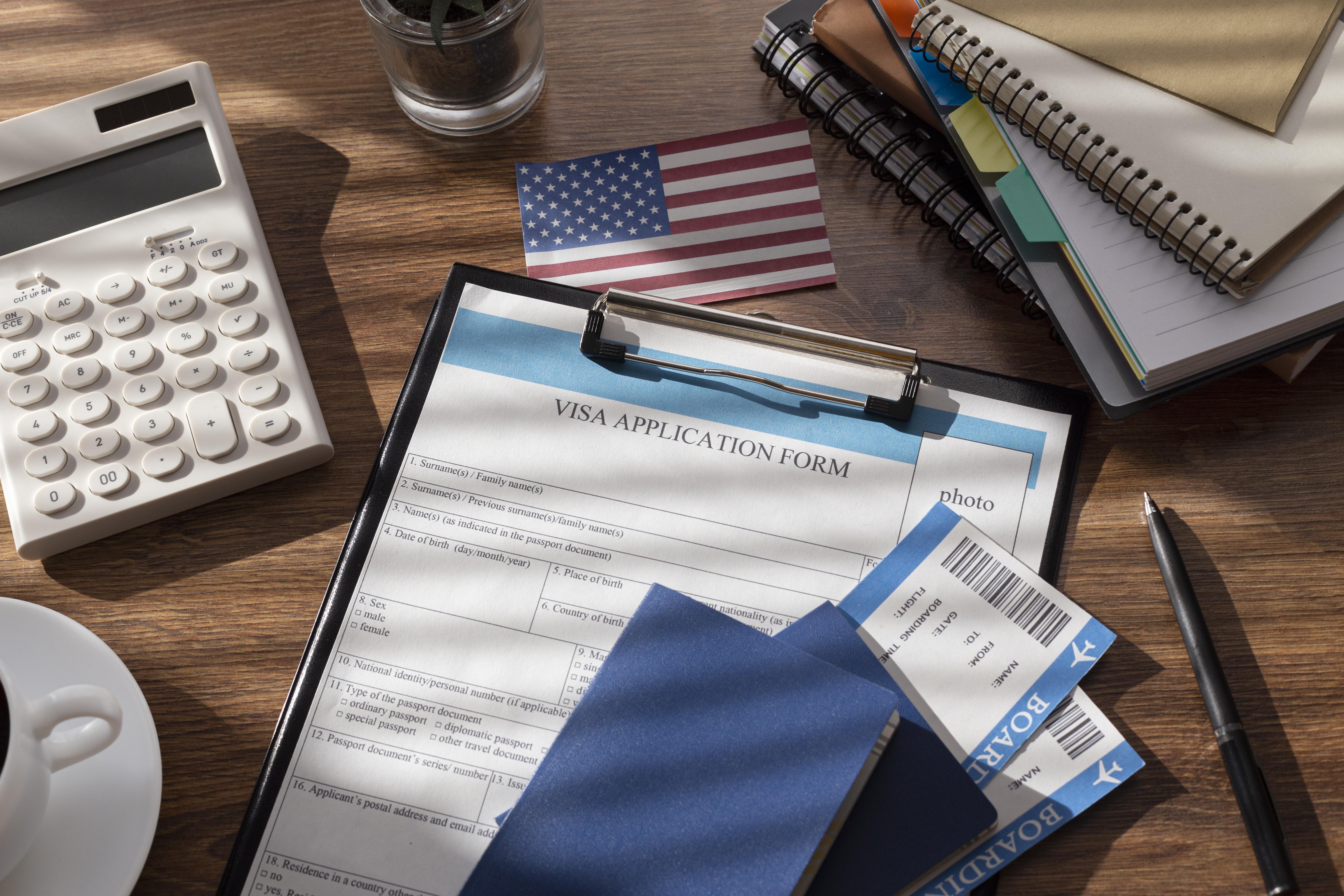
Errors do not have to be dramatic to cause problems. A missing signature. An outdated form. A fee change that was overlooked. A package sent to the wrong address.
When USCIS finds these issues, the case may be rejected or held for further review. Either outcome adds time.
H4 EAD extension delays are especially common when forms are filed separately without coordinating dates. When timelines do not match, processing slows.
Careful preparation matters. Names should match passport records exactly and all dates must align across all forms.
Common Cause 2: Service Center Backlogs and High Filing Volume

In some cases, delays do not depend on the applicant.
USCIS H4 EAD delays often result from service center backlogs. Certain centers receive higher filing volumes than others. Staffing shortages and seasonal surges make processing uneven.
H4 EAD delays at a USCIS service center can vary widely. Two applications filed on the same day may move at different speeds simply because they were routed differently.
It is frustrating. But it is common.
Filing early helps reduce exposure to these backlogs. Waiting until expiration is near leaves very little margin for delay.
Common Cause 3: Requests for Evidence (RFEs) and How to Handle Them

RFEs are one of the biggest contributors to H4 EAD processing delays.
Once an RFE is issued, the case pauses. Timelines reset. Momentum is lost.
RFEs often stem from missing or unclear information. Eligibility proof may not be obvious from the file. An H1B approval notice might be outdated. In other cases, documents are included but not prepared in a way USCIS can rely on.
Any document that is not in English must be translated and certified. Partial or informal translations can lead to a Request for Evidence.
That is why most applicants go for a secure option from the early application stages: certified document translation services.
Properly prepared translations meet USCIS standards and reduce follow-up questions. When the file is clear, cases move instead of stalling.
When an RFE does arrive, the response must be complete. Partial answers almost always extend the delay.
Common Cause 4: Biometrics Appointment Delays
Biometrics appointments appear simple on paper. In practice, they can slow a case down.
H4 EAD delays after biometrics often happen when appointments are scheduled far out or rescheduled due to local capacity issues. Missing an appointment can add months.
Completing biometrics does not mean approval is imminent. The case returns to the processing queue afterward.
Common Cause 5: Missing or Incorrect Documentation
Documentation issues are often easy to overlook and difficult to rectify later.
- Expired passports.
- Incomplete marriage certificates.
- Unclear name changes.
- Dates that do not match across documents.
USCIS reviews each item carefully. When something does not add up, processing stops.
Language adds another layer of risk. Marriage certificates, birth records, and court documents must be translated accurately and certified. Errors here often trigger review delays.
Many applicants rely on the USCIS translation and interpreting services guide to ensure documents meet requirements the first time. Clear records reduce questions, and fewer questions mean faster decisions.
Steps You Can Take Right Now to Prevent H4 EAD Delays

You cannot control USCIS workload. You can control preparation.
- File early.
- Coordinate H4 and EAD timelines.
- Use the correct form versions.
- Monitor service center processing trends.
If your application includes foreign-language documents, certified translation services should be part of the filing process, not an afterthought. Preventing RFEs is far easier than responding to them.
If language barriers exist during appointments or consultations, on-site interpreting and on-demand interpreting plan services can help prevent misunderstandings that lead to delays.
Above all, track your case. If processing moves beyond posted timelines, submit inquiries and keep records. Knowing what to do if H4 EAD is delayed can make the difference between waiting silently and moving things forward.
FAQ
What are the most common H4 EAD delays at USCIS?
Filing errors, RFEs, documentation issues, and high filing volumes are the most common delay causes. USCIS H4 EAD delays often involve more than one factor.
How long does a typical H4 EAD delay last?
There is no set duration. In some cases, it can be weeks; in others, several months.
Can premium processing help with H4 EAD delays?
Premium processing does not apply directly to H4 EAD filings. In some cases, premium processing of the H1B petition may indirectly help when applications are linked.
How do I avoid employment gaps during H4 EAD delays?
Complete documentation and early filing are crucial. You can avoid employment gaps caused by H4 EAD delay if you file way before expiration.
What should I do if my H4 EAD has been delayed for months?
If your case exceeds posted timelines, submit a USCIS inquiry. If the delay still continues, then ask for legal guidance.
At The Language Doctors, we specialize in USCIS-certified translations that are trusted and accepted by immigration attorneys, government agencies, and embassies worldwide.
With our service, you can expect fast 24–48 hour turnaround times, certified translations in over 200 languages, and PDF delivery complete with a signed Certificate of Accuracy.
Everything you need to meet USCIS requirements with confidence. We offer affordable flat-rate pricing, so you always know what to expect with no hidden fees.
Get your USCIS translation today. Accurate, certified, and hassle-free.