
DACA Renewal Documents: What Needs to Be Translated?


TL;DR: If a document you plan to submit with a DACA renewal is written in a foreign language, USCIS requires a full English translation and a translator certification. That does not mean every piece of paper you have ever collected for immigration needs to be translated. For a renewal, start with the documents you actually need to submit, then check which ones are in another language. That little bit of sorting can save you from translating a stack of paperwork that never needed to leave the drawer.
Renewing DACA already comes with enough paperwork without translating documents that USCIS never asked you to send.
The basic rule is straightforward. If you submit a document containing information in a foreign language, it needs a full English translation, and the translator must certify that the translation is complete and accurate and that they are competent to translate into English.
A DACA renewal is also different from an initial request. USCIS says renewal applicants generally do not need to submit documents they already provided with an earlier DACA request. New evidence may be needed when it relates to something that has changed, such as certain removal proceedings or criminal history.
That is the basic rule for foreign language documents DACA applicants plan to submit. If the document is part of the evidence packet and it is not in English, it needs a complete English translation and the required certification.
That distinction matters. You do not want to translate a document simply because you still have it. First figure out whether it belongs in the renewal packet at all.

The General Rule for Translations in DACA Renewal
USCIS does not make you translate a document just because it happens to be written in another language and is sitting in your file cabinet.
The translation requirement kicks in when you submit a foreign-language document as part of your case. USCIS requires the English translation to be complete and accompanied by the translator’s certification.
Think of it this way: if the document is evidence you are actually sending, the language on that document matters. A partial translation will not do the job if important information is left out.
This is where DACA renewal translation comes into play. The translation is not a summary of the original. It should give USCIS the English version of the entire document so the officer can review the evidence without trying to decode another language.
Identity and Civil Documents That Often Require Translation

Identity paperwork is one area where foreign-language documents can show up during a DACA case. A foreign birth certificate, for example, may be used as evidence of identity or other information relevant to the request.
USCIS lists several forms of identity evidence that may be used in DACA requests, including a passport, birth certificate with photo identification, certain national identity documents, and qualifying U.S. immigration or government documents.
A DACA document translation may therefore be needed when an identity or civil document you are submitting is written in a language other than English.
Check the entire document before sending it for translation. Names, dates, stamps, handwritten notes, and information tucked into a section you almost forgot existed can all matter. Translating only the obvious part is an easy way to create an incomplete submission.
School and Education Records That May Need Translation
School records can become relevant in a DACA case, particularly when they are being used to document education or another eligibility requirement.
A transcript or school record written entirely in another language may require DACA school records translation if you are submitting it to USCIS. The same rule applies here as it does elsewhere in the packet: if the foreign-language document is being submitted, it needs a full English translation and certification.
Sometimes the school document looks simple enough that translating it seems unnecessary. That can be misleading. A transcript may contain abbreviations or administrative notes that are not obvious to someone who does not work with academic records.
Keep the original document with its translation. That makes it much easier to see exactly which English version belongs with which foreign-language record.
Travel and Immigration History Documents
Travel history can produce paperwork that is a little harder to sort out, especially when older documents came from another country.
A foreign passport page, immigration record, or other document may contain information that becomes relevant to the case. If you submit that document to USCIS and it contains foreign-language information, the translation requirement applies.
DACA applicants should also be careful about assuming that every old immigration document needs to go into a renewal packet. USCIS specifically notes that renewal applicants generally do not need to resubmit evidence already submitted with a previous DACA request.
That is why an immigration document translation should start with the evidence you actually plan to submit, not with every immigration paper you have collected over the years.
Legal and Court Records That Must Be Translated
Legal records deserve extra attention because new criminal or removal-related evidence can affect a DACA renewal.
If you are submitting a foreign-language arrest record, court document, or other relevant legal record, it needs a full English translation with the required certification. USCIS specifically says renewal applicants should submit new documents relating to removal proceedings or criminal history that were not already submitted with a previous request.
A DACA application translation for a legal record should not turn into a simplified explanation of what happened. The translation needs to reflect the original document accurately, including details that may seem minor to someone unfamiliar with legal paperwork.
Legal documents are also a terrible place to improvise. One word can carry a meaning that does not match its everyday use, so the person translating the record should understand the language and the type of document involved.
When USCIS-Issued Documents Do Not Need Translation
USCIS-issued documents are generally already in English, so there is usually nothing to translate.
That may sound obvious, but it is worth saying because people often lump every immigration document into one giant translation pile. Your DACA approval notice or employment authorization document is not a foreign-language record simply because it relates to an immigration case.
The better question is whether the document you are submitting contains foreign-language information. USCIS guidance focuses the translation requirement on documents containing a foreign language that are submitted as evidence.
For a current renewal, also check whether you actually need to submit the document again. USCIS says renewal applicants generally do not need to resubmit documents from the previous DACA request.
What a Proper Translation Should Include

A USCIS translation is more than typing the original words into Google Translate and calling it a Tuesday.
The English version should cover the full document and accurately reflect what appears in the original. USCIS requires the translator to certify that the translation is complete and accurate and that the translator is competent to translate from the foreign language into English. The certification must include the translator’s signature and printed name, as well as the date and contact information, and this is easily achieved with The Language Doctors’ professionals.
That certification is what connects the English translation to the person who prepared it. It should be clear which document the certification applies to, especially when several translated documents are being submitted.
This is the heart of certified translation for DACA. The translator is not simply providing an English copy. The certification confirms the translator’s competence and the completeness and accuracy of the work.
Common Mistakes to Avoid in DACA Document Translation
The easiest mistake is translating only part of a document because the rest looks unimportant. USCIS asks for a full English translation, so leaving out sections is not a shortcut worth taking.
Another problem is sending a translation without the required certification. Even a perfectly translated document can have a problem if the certification is missing information USCIS requires.
Some applicants also translate documents they do not actually need to submit. That costs time and money without adding anything useful to the renewal packet.
A better approach is to build the evidence list first. Then identify which submitted documents are in a foreign language. From there, arrange the translations you actually need.
Organizing Your DACA Renewal Packet With Translations
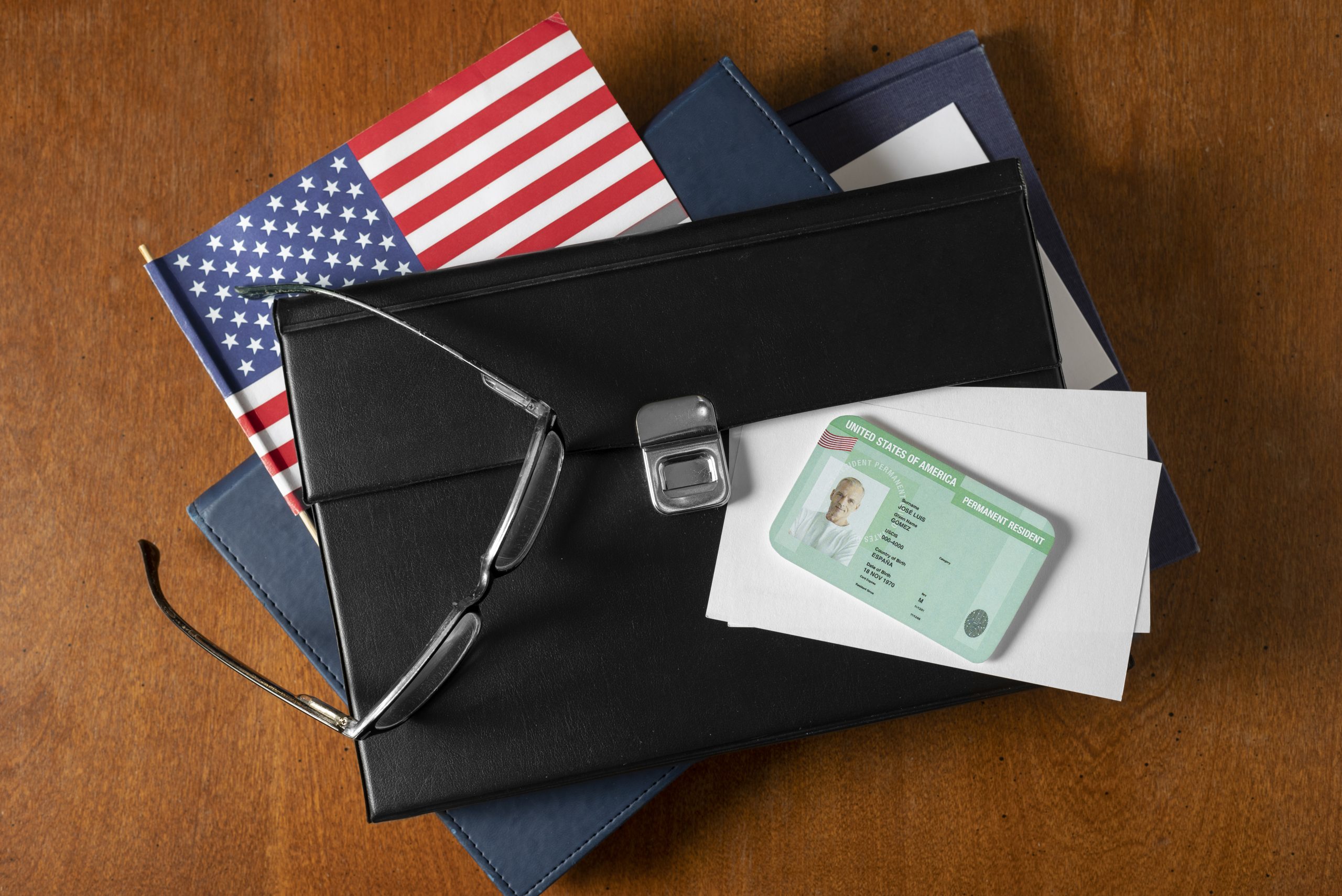
Once the translations are finished, keep each English translation with the foreign-language document it belongs to. This sounds almost too obvious, but paperwork has a talent for wandering off into its own little universe.
Before you start translating anything, go through your DACA renewal checklist and separate the documents you actually need to submit from older paperwork you are keeping for your records. There is no prize for sending USCIS a thicker packet than necessary.
Use clear file names if you are filing online. USCIS’s current online filing guidance for DACA says foreign-language documents should be uploaded with a full English translation and the translator’s certification with each original document.
Review the packet before submitting it rather than discovering a missing translation after everything has already been uploaded.
For paper filings, keep your own copy of what you send. Having a complete duplicate makes it much easier to answer questions later if USCIS asks for additional evidence.
Why Accurate Translation Matters for DACA Renewal
A translation should make the document easier for USCIS to review, not create a second mystery that someone has to untangle.
Names need to stay consistent across the paperwork. Dates should be translated correctly. Legal or educational terminology should make sense in English without changing what the original document actually says.
That is why USCIS translation requirements are worth following closely. USCIS requires a full English translation for foreign-language documents submitted as evidence, along with the translator’s certification.
Getting the translation right does not guarantee approval of a DACA renewal. It does remove one avoidable problem from the packet, which is already a pretty good reason to get it right.
FAQ
No. The translation requirement applies to foreign-language documents you submit to USCIS. You also generally do not need to resubmit evidence that was already provided with an earlier DACA request unless current instructions call for new evidence.
A foreign-language birth certificate or another identity document may need translation if you are submitting it as evidence. USCIS lists several types of documents that may be used to establish identity in a DACA request.
If you are submitting a school record that contains a foreign language, yes, it needs a full English translation with the required certification. That applies whether the document is being used to support education-related evidence or another part of the request.
If the record is relevant to your renewal and you are submitting it, arrange a full English translation with the required translator certification. USCIS specifically says renewal applicants should submit new evidence relating to criminal history or removal proceedings when applicable.
Not simply because the documents relate to DACA. USCIS-issued documents are generally in English, so they normally do not create a foreign-language translation issue. More importantly, check whether you need to submit them at all under the current renewal instructions.
USCIS requires the translator to certify competence in translating from the foreign language into English and to certify that the translation is complete and accurate. For a document you are submitting as evidence, using a translator who can properly provide that certification avoids putting yourself in the awkward position of certifying your own work.
The certification should state that the translation is complete and accurate and that the translator is competent to translate from the foreign language into English. USCIS also requires the translator's signature, printed name, signature date, and contact information.
The foreign-language document does not meet the translation requirement on its own. USCIS may request additional evidence, so it is much better to provide the full English translation and certification when you submit the document.
USCIS instructions generally allow legible photocopies unless the filing instructions specifically require an original. The important part is making sure the copy is readable and that the required translation and certification are included with the foreign-language document.
Start with the current USCIS instructions for your renewal rather than relying on an old checklist. For every foreign-language document you actually submit, provide a full English translation and the required translator certification, then check that the translation and original belong together.
At The Language Doctors, we specialize in certified translation for DACA renewals, trusted by DACA recipients and their families.
With our service, you can expect certified translations that meet USCIS requirements, complete coverage of every stamp, seal, signature and handwritten note, and a certification statement with the translator’s signature, printed name, date and contact information USCIS expects.
Everything you need to translate only the documents your packet actually requires – from birth certificates and national IDs to transcripts and court records – with consistent names and dates throughout. We give the officer a clean English version to review, not a second mystery to untangle.
Get your certified DACA translation today. Complete, correctly certified and ready to file.