
How Law Enforcement Agencies Can Improve Language Access


TL;DR: Every police interaction depends on clear communication. When language gets in the way, misunderstandings can happen quickly. A strong language access plan helps officers communicate with people who have limited English proficiency while giving communities greater confidence in the services they receive.
Imagine calling 911 because you need help but struggling to explain what happened.
Or imagine being pulled over and only understanding a few words the officer is saying.
Those situations are stressful enough on their own. A language barrier only makes them harder. This happens every day in communities across the country.
Police officers speak with victims, witnesses, family members, business owners, and visitors. Some conversations last only a minute. Others can affect an investigation or even someone’s legal rights. When people cannot understand each other, small misunderstandings can quickly become much bigger problems. That is one reason law enforcement language access has become such an important part of modern policing.
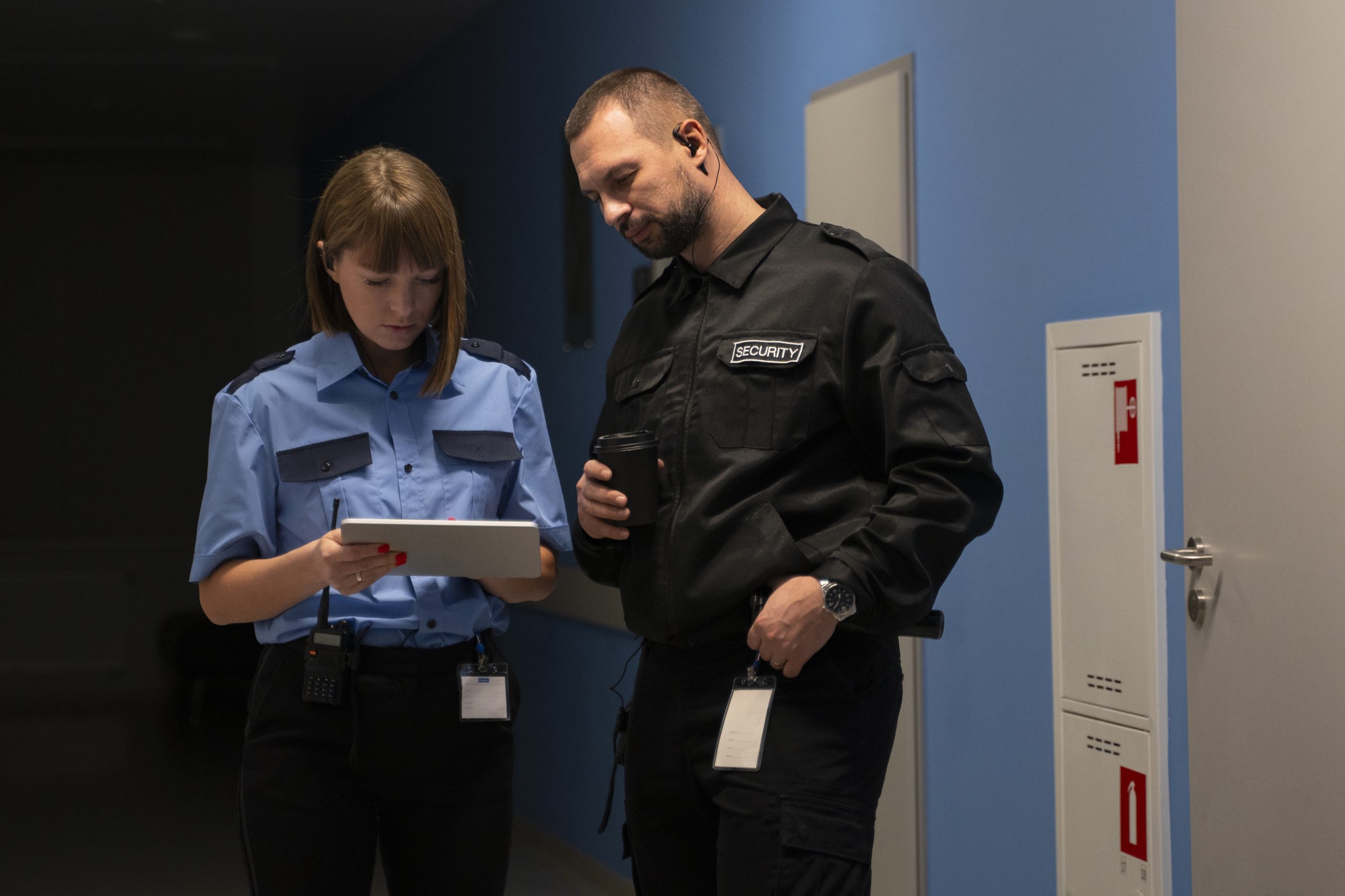
Why Language Access Matters in Policing
Every interaction between an officer and a member of the public depends on communication.
Most conversations are routine. Some are not. Whether someone is reporting a crime, answering questions after an accident, or asking for help, everyone deserves the chance to understand what is happening. That is why more agencies are making language access part of everyday policing rather than treating it as an occasional need.
Police must communicate effectively with LEP individuals to keep officers and communities safe
Police officers often have to make decisions in the moment. When there is no common language, even basic questions can become difficult.
A person may not understand what an officer is asking. An officer may not get the full story. Police interpreter services help close that gap, which is a big part of effective LEP policing and safer interactions in the field.
Poor communication can undermine investigations, due process, and community trust
Not every misunderstanding is obvious. A witness may leave out an important detail without realizing it. A victim may walk away confused about what happens next. Those moments can affect an investigation, but they can also affect community trust policing. People are more likely to work with law enforcement when they feel heard and understood.
The DOJ launched a Law Enforcement Language Access Initiative to support this work nationwide.
Communities across the country are becoming more linguistically diverse, and many police departments are adapting.
The DOJ language access initiative encourages agencies to improve communication with people who have limited English proficiency. For many departments, that starts with a police language access plan and ongoing officer language access training so officers know how to respond when language barriers arise.
Build a Written Language Access Plan
Every police department is different. A plan that works well in one community may not make sense in another. That is why a written language access plan should reflect the people an agency serves, not rely on assumptions. Taking the time to create clear procedures also makes it easier for officers and staff to respond consistently when language barriers come up.
Start with a community needs assessment to identify the top languages spoken locally
The first step is understanding the community.
A department may expect to see one language most often and discover something completely different. Looking at local census data, school district information, and past calls for service can provide a much clearer picture. That information helps agencies build a police language access plan around real community needs instead of guesswork.
Appoint a language access coordinator to manage policy and implementation
Someone needs to keep the program moving. Without a clear point of contact, language access responsibilities can end up scattered across different departments.
A coordinator can oversee interpreter requests, answer questions from staff, review existing procedures, and help make sure the department’s language access policy is actually being followed.
Define who requests interpreters, when to use them, and how vital documents are translated
The best plans leave very little open to interpretation. Officers and civilian staff should know who is responsible for requesting interpreters, which situations require professional language support, and how translated rights forms and other important documents are provided to the public. When everyone follows the same process, communication becomes more consistent from one interaction to the next.
Use Qualified Interpreters, Not Ad Hoc Helpers

Speaking two languages is not the same as being an interpreter. That difference matters, especially when a conversation involves someone’s rights, a criminal investigation, or a victim’s statement. In those situations, accuracy is too important to leave to chance.
Avoid relying on unqualified officers, bystanders, or family members
It can be tempting to ask whoever speaks the language to step in. The problem is that good intentions do not guarantee an accurate interpretation. A family member may skip details. A bystander may misunderstand what was said.
Even a bilingual employee who has never interpreted before can unintentionally change the meaning of a conversation. That is why professional police interpreter services are the better choice for important interactions. These services reduce those risks and allow officers to focus on their jobs.
Provide access to trained in-person, phone, and video interpreters for urgent situations
Not every situation looks the same. Some calls happen at the station. Others happen on the roadside or at a hospital in the middle of the night. Having access to trained interpreters in person, by phone, or through video gives officers options when they need language support quickly.
Make sure interpreters understand confidentiality and law-enforcement terminology
Police conversations are rarely simple.They often involve details about incidents, statements, or ongoing cases that cannot be misread or passed along incorrectly.
An interpreter in that setting needs more than language skills. They need to recognize how law enforcement language is used in real situations.
That includes knowing the terms officers rely on and treating every conversation as confidential. When that is in place, communication stays steady and misunderstandings are less likely to take root.
Translate the Right Documents First

Not every document carries the same level of importance. Some paperwork can wait. Other documents need to be understood the first time someone reads them.
When people are dealing with law enforcement, there is little room for confusion. That is why many agencies begin by translating the documents residents are most likely to need during important interactions.
Prioritize rights advisements, complaint forms, consent forms, and emergency notices
Imagine being handed a form that explains your rights, but you cannot read it.
That is a situation no one wants to be in. Documents like translated rights forms, complaint forms, consent forms, and emergency notices should be among the first to receive attention. They contain information people need to understand before making decisions or responding to instructions.
Translate “vital information” for LEP residents interacting with the agency
Some information is simply too important to leave untranslated. Whether someone is reporting a crime, asking for help, or trying to understand the next step in a case, they should have access to clear information in a language they understand.
Providing these materials supports better communication with people who have limited English proficiency and makes multilingual police communications more effective.
Keep translated versions consistent with the English originals and update them regularly
Translation is not a one-time project. Policies change. Forms are revised. Contact information gets updated.
When that happens, the translated version has to follow right away. If it does not, people end up working with two different sets of information. That is where confusion starts, both for officers and for the public.
Train Officers and Civilian Staff
Having interpreters available is only part of the solution. Officers and civilian staff also need to know when to use them and what to do while an interpreter is involved. A few simple habits can prevent a lot of confusion during police interactions.
Teach staff when to call an interpreter and how to communicate through one
Not every situation needs an interpreter, but many do. Officers and staff notice it quickly when someone is guessing their way through English or missing key details. That is usually the moment to bring in support.
When an interpreter is used, the way officers speak matters too. Short sentences. A pause. Direct eye contact with the person, not the interpreter in the middle.
Include language access procedures in academy, field, and supervisor training
This cannot be something people learn once and forget. If officer language access training is only mentioned in onboarding, it fades fast in real situations. When it is built into academy work, field training, and supervision, it becomes part of how officers operate without needing to think twice.
Reinforce that using children or untrained family members is inappropriate for critical matters
In the moment, people reach for whoever is closest. A child. A relative. A neighbor who “speaks a little English.” It feels faster, but it creates risk. Important details get lost or softened. Sensitive information gets pushed through someone who was never meant to carry it.
That is why untrained interpreters should never be used for serious police communication. Professional interpreters help protect both the agency and the people it serves.
Improve Deaf and Hard-of-Hearing Access Too

Language access is often associated with spoken languages, but that is only part of the picture. Police departments also interact with people who are Deaf or hard of hearing. Those conversations deserve the same level of attention.
Everyone should be able to understand what is happening and communicate effectively, especially when the situation is urgent.
Language access includes effective communication for Deaf and hard-of-hearing individuals
Every interaction is different. Sometimes writing back and forth is enough. Some conversations simply cannot move forward without a qualified interpreter.
When people are guessing or relying on gestures, important information can easily be missed.
Agencies should provide ASL interpreters and accessible communication methods when needed
What works during one interaction may not work during the next. Agencies should not have to figure it out in the middle of an interaction. Having ASL interpreters and other accessible communication options available ahead of time makes those conversations much easier to manage.
Emergency response and victim assistance should account for both spoken and signed communication needs
Emergencies move quickly. People should not lose access to help because they communicate differently.
Whether someone uses spoken language or sign language, emergency response plans and crime victim interpreter services should be designed with those communication needs in mind.
Measure Performance and Community Impact
A language access program should continue to improve over time. The only way to know what is working is to pay attention to the results. Listening to staff, reviewing data, and hearing directly from the community can reveal problems that might otherwise go unnoticed.
Track interpreter requests, response times, and complaints
Looking at the numbers can tell a useful story. How often are interpreters requested? Are they available quickly when officers need them? Are the same communication issues coming up again and again? Questions like these help departments see where improvements may be needed.
Use data to identify gaps in language coverage and training
Communities change. A department that mostly served one language a few years ago may now be working with several. Reviewing language data on a regular basis helps agencies decide where additional resources or officer language access training may be needed.
Engage community stakeholders to improve trust and refine services
Some of the best feedback comes from the people a department serves. Community organizations, local leaders, advocacy groups, and residents can offer valuable insight into how language services are working in practice.
Those conversations also support community trust policing by showing that the department is willing to listen, make adjustments, and keep improving.
How TLD Supports Law Enforcement Agencies
Every department has different language access needs. A small police agency may only need occasional interpreter support. A larger department may require language services every day.
The Language Doctors works with agencies of all sizes to make communication easier when officers and community members do not share the same language.
Provide on-demand phone, video, and scheduled on-site interpreters
Some situations require an interpreter right away. Others can be scheduled in advance.
The Language Doctors provides police interpreter services by phone, through secure video, or on site, giving agencies flexible options based on the situation.
Translate advisements, notices, complaint forms, and public-safety materials
Meetings are only one part of communication. Departments also need clear written materials for the public. We translate translated rights forms, complaint forms, emergency notices, and other public safety documents so important information is available in the languages your community speaks.
Help agencies build a practical language access policy and staff workflow
A written policy is much more useful when people know how to follow it.
We help agencies develop a police language access plan that fits their daily operations, with practical procedures staff can use instead of documents that sit on a shelf.
Free consultation to assess language needs and compliance priorities
Not every department starts in the same place. If you’re reviewing your current language access program or building one for the first time, The Language Doctors can help you identify priorities, answer questions, and create a practical plan that works for your agency and your community.
FAQs
A law enforcement language access plan explains how an agency communicates with people who have limited English proficiency, like when interpreters are used, how documents are translated, and the procedures officers follow.
For routine conversations it may happen, but not for critical situations. Professional interpreters are the safer choice when rights, investigations, or sensitive information are involved.
The best thing is to start with translated rights and complaint forms, as well as consent forms and emergency notices. Then, with all other documents the public needs to understand when interacting with law enforcement.
Departments should be prepared to provide qualified ASL interpreters or other appropriate communication methods when needed, especially during emergencies or victim interviews.
The Language Doctors provides police interpreter services, document translation, and practical guidance for agencies developing or improving a police language access plan.
At The Language Doctors, we specialize in professional interpreter services and document translation for law enforcement agencies – trusted by police departments, sheriff’s offices and public safety teams working with linguistically diverse communities.
With our service, you can expect on-demand phone, video and scheduled on-site interpreters, coverage in over 200 languages, and interpreters who understand law enforcement terminology and confidentiality standards.
Everything you need to communicate clearly with LEP residents, victims and witnesses – including translated rights advisements, complaint forms, consent forms and emergency notices for your community. We offer free consultations to assess language needs and compliance priorities, so you always know what to expect with no hidden fees.
Get your free law enforcement language access consultation today. Professional, confidential and built for the field.