
Language Access for Veterans: VA Interpreter Services Explained


If you are a veteran who needs assistance speaking English, you can request an interpreter while receiving VA health care or benefits services. Language assistance is free, and veterans can ask for help in person or by calling MyVA411 at 800-698-2411. Nobody should have to guess what their doctor just said or struggle through a benefits application because English isn’t their strongest language.
Serving your country doesn’t come with an English proficiency test. Neither should getting medical care afterward. Yet some veterans still find themselves sitting across from a doctor, understanding half the conversation and hoping the other half wasn’t important.
That’s why VA interpreter services exist. The Department of Veterans Affairs provides language assistance so veterans can discuss their health, understand their benefits, and ask questions without worrying about their English.

Your Right to Free Language Assistance at the VA
A veteran shouldn’t need to bring a bilingual neighbor to a medical appointment. The VA has a responsibility to make its services accessible, including to people who aren’t comfortable speaking English.
All veterans have the right to language assistance regardless of English ability
Some veterans speak English well enough for everyday conversations but struggle when a doctor starts explaining a complicated diagnosis. Others may understand spoken English but find official paperwork difficult.
Neither situation should prevent someone from requesting help. Veterans language access is about making sure people understand the services they’re receiving, not measuring how well they speak English.
Federal law prohibits discrimination based on national origin or language
Title VI of the Civil Rights Act prohibits national origin discrimination in federally assisted programs. Federal agencies also have language access responsibilities under applicable civil rights requirements.
For veterans, this means limited English proficiency shouldn’t become a barrier to receiving VA services. Someone who needs an interpreter must have a meaningful opportunity to participate, just like someone who speaks fluent English.
VA provides free interpreters and translated materials at no cost
A free VA interpreter is exactly what it sounds like. Veterans aren’t supposed to receive a surprise bill because they needed help understanding their doctor.
The VA can arrange interpretation and provide language assistance with important written information. The precise arrangements depend on the service and the individual’s needs.
Services available to veterans and their family members
A spouse might help a veteran manage appointments. A caregiver may need to understand instructions about treatment at home.
When family members are involved in authorized VA care or services, language assistance may be necessary for them too. The important distinction is that relatives shouldn’t automatically become the veteran’s interpreters simply because they speak two languages.
Who Qualifies for VA Interpreter Services
You don’t need to prove that you speak absolutely no English. Language assistance is meant for people who need it to communicate properly, even if they can manage an ordinary conversation without help.
Veterans with limited English proficiency (LEP)
Someone might speak English at work but prefer Vietnamese when discussing a serious medical problem. That’s a perfectly reasonable reason to ask for an interpreter.
The phrase limited English proficiency VA refers to veterans who need language support to understand or participate in VA services. Their ability to speak some English doesn’t cancel that need.
Veterans who are deaf or hard of hearing requiring sign language
For some veterans, spoken-language interpretation isn’t the issue at all.
A veteran who communicates through American Sign Language may need an ASL interpreter during an examination. Others may require captioning or another communication aid.
The VA must consider the person’s communication needs rather than assuming one solution works for everyone.
Family members and caregivers who need language assistance
Imagine a caregiver receiving instructions for helping a veteran recover after surgery. If those instructions aren’t understood, the trouble begins once everyone gets home.
When caregivers are appropriately involved in treatment, the VA can arrange language assistance to help them understand the information they’re authorized to receive.
Any individual seeking VA benefits, services, or health care
Language barriers can appear during a benefits inquiry just as easily as during a medical appointment.
People seeking VA services can ask for communication assistance appropriate to their situation. Eligibility for the underlying benefit still follows VA rules, but difficulty speaking English shouldn’t prevent someone from asking questions or understanding the process.
Types of Language Assistance Available
Not every conversation needs an interpreter sitting in the same room. Sometimes a telephone connection works perfectly well. Other appointments call for something more personal.
In-person interpreters at VA medical facilities
An interpreter may attend an appointment at the medical center, particularly when the conversation is complicated or the veteran’s needs make face-to-face communication preferable.
This can be useful during lengthy consultations or examinations where visual communication matters. Availability varies, so arranging the service before the appointment is sensible.
Telephone interpretation available 24/7
A veteran arrives at an emergency department at two in the morning. Finding an interpreter who can physically travel to the hospital isn’t always realistic.
Telephone interpretation gives VA staff access to language assistance without waiting for someone to arrive. VA telephone support is available around the clock, although individual interpreting arrangements may depend on the facility and language.
Video remote interpretation for virtual appointments
A video interpreter can join a conversation remotely, allowing participants to see one another while they speak.
This is especially useful when visual cues or facial expressions are important. Video interpretation can also be used in some telehealth appointments or at sites without an appropriate interpreter on site.
American Sign Language (ASL) services
ASL isn’t English expressed with hand movements. It’s a language with its own grammar.
Qualified ASL interpreters help veterans communicate with providers who don’t know sign language. Depending on the appointment, the VA may arrange someone in person or through video.
Translated documents for benefits and health information
A veteran might understand the conversation with a doctor and still struggle with the discharge instructions handed over afterward.
VA health care translation helps make important written information understandable. Veterans can ask about translated materials or another appropriate way to have the information explained.
Bilingual staff members when available
Some VA employees speak more than one language, which can make routine conversations easier.
Still, speaking Spanish at home doesn’t automatically qualify someone to interpret a medical consultation. For conversations involving treatment decisions or sensitive information, the staff member needs the appropriate language skills and qualifications.

How to Request an Interpreter at a VA Facility
Requesting language assistance shouldn’t involve finding a special department or completing a stack of paperwork. Start with the person helping you.
Tell any VA staff member you need an interpreter
The receptionist, nurse, or staff member handling your appointment can help start the request.
You can simply say which language you prefer. If explaining that in English is difficult, showing the language written on your phone may be enough to get things moving.
Ask to speak with a VA patient advocate
When communication problems aren’t being resolved, a patient advocate can help.
VA patient advocate language services can involve helping veterans raise concerns about interpreter access and connecting them with the appropriate staff. The advocate may not personally interpret, but can help address the problem.
Request interpreter services when scheduling appointments
When scheduling the appointment, mention your language requirements, particularly if you use a less common language or need an in-person interpreter.
Advance notice gives staff more time to arrange suitable assistance. It also reduces the chance of spending the first part of your appointment trying to organize a conversation.
Look for language assistance signs in waiting rooms
Some facilities display notices explaining how patients can request an interpreter.
If you see a notice in your language, point to it or ask staff about the service. If you don’t see one, that doesn’t mean language assistance is unavailable.
Use language identification cards if available
A language identification card lets someone indicate their preferred language without having to pronounce its name in English.
These cards can be useful when a veteran is nervous, has difficulty speaking, or simply wants to avoid a long conversation at the reception desk.

How to Request an Interpreter by Phone
The VA has a central phone number for questions about benefits and services. You can start there even when you aren’t sure which department you need.
Call MyVA411 at 800-698-2411
MyVA411 is the VA’s main information line. Veterans can use it to get help navigating VA programs and finding the right office.
If English is difficult, ask for language assistance rather than trying to explain the entire problem first.
Press 0 to connect with a VA call center agent
The VA’s published MyVA411 instructions direct callers to press 0 for an agent.
Phone menus can change, so follow the current recorded instructions if they’re different.
Tell the agent you need an interpreter in your language
You don’t need a long explanation. Tell the agent which language you speak and that you’d like an interpreter.
For example, asking for a MyVA411 interpreter in Spanish is enough to make the request clear. The agent can then work on connecting appropriate language support.
The interpreter will join the call at no cost
Once the language connection is arranged, the interpreter helps the veteran and VA representative communicate.
Department of Veterans Affairs interpretation is provided without charging the veteran for the language assistance.
Service available 24 hours a day, 7 days a week
MyVA411 operates 24/7, so veterans can call outside ordinary office hours.
That doesn’t mean every VA department has staff available at midnight. Some questions may still require a follow-up during business hours.
TTY service available at 711 for deaf and hard of hearing
Veterans who use telecommunications relay services can dial 711 to access relay assistance.
This provides another way to communicate by telephone when an ordinary voice call isn’t accessible.
When Interpreters Are Provided
Language problems don’t wait for a convenient moment. They can happen during a routine checkup or when a veteran is trying to make sense of an unexpected medical result.
Medical appointments and clinical consultations
A VA medical interpreter can help a veteran describe symptoms without having to hunt for the right English words.
The doctor gets a clearer picture of what’s happening, and the veteran can ask questions about the proposed treatment. Neither person has to pretend they understood something they didn’t.
Mental health counseling and therapy sessions
Talking about trauma is difficult enough in your first language. Trying to describe painful memories in a second language can make the conversation even harder.
An appropriately qualified interpreter can help veterans communicate during counseling while respecting the privacy and sensitivity of the session.
Benefits application and claims assistance
VA benefits paperwork has a language of its own. Even native English speakers sometimes need help understanding it.
An interpreter can help a veteran discuss an application, explain missing information, or ask about a claim. The interpreter doesn’t decide whether the claim qualifies. That’s the VA’s job.
Emergency and urgent care visits
Nobody plans to need an interpreter in the emergency department.
When a veteran arrives needing immediate attention, staff can arrange language assistance as quickly as circumstances allow. Treatment of a life-threatening emergency shouldn’t be delayed while someone searches for an interpreter.
Pharmacy consultations and medication instructions
Take one tablet twice a day and take two tablets once a day are very different instructions.
A veteran who isn’t certain about a prescription should be able to ask the pharmacist for clarification with an interpreter’s help. Medication instructions aren’t a good place for educated guesses.
Health education and discharge planning
Leaving the hospital often means remembering what to do next. That can be difficult even when everything was explained in your native language.
An interpreter can help a veteran understand follow-up appointments and home-care instructions before leaving. If the written paperwork is unclear, the veteran should ask for additional language assistance.
Languages Supported by VA
The United States has veterans who speak languages from all over the world. VA language assistance needs to reflect that reality, even when a particular language isn’t common in the local community.
Spanish and other commonly spoken languages
Spanish is a frequent language assistance request, but it certainly isn’t the only one.
Veterans may need help in Arabic, Korean, Vietnamese, Chinese, or another language. Available interpreting arrangements depend on the location and service provider.
Over 200 languages available through telephone services
Telephone interpreting providers can offer access to more than 200 languages, making remote assistance especially useful for uncommon language requests.
However, VA’s public guidance doesn’t guarantee a specific 200-language catalog at every facility. Veterans should confirm availability for their language when requesting service.
American Sign Language and other sign languages
ASL interpretation is among the services VA identifies as available to veterans who need communication assistance.
Other sign languages may require a different interpreter. Staff should ask which language the veteran actually uses rather than assuming all sign language users communicate in ASL.
Rare languages may require advance scheduling
Finding a Spanish interpreter is generally easier than locating someone who speaks a language with relatively few interpreters in the United States.
If possible, tell the VA about an uncommon language before the appointment. That gives the facility time to explore the available options.
Regional dialects accommodated when possible
Two people may speak the same language but use very different regional vocabulary.
A veteran from one part of the world might struggle with an interpreter from another. If that happens, tell the VA. Finding someone familiar with the veteran’s dialect can make the conversation much easier.
What to Expect During Your Appointment
Having a third person in the room can feel strange at first, particularly when the appointment involves private medical information. Knowing what the interpreter does helps take some of that awkwardness away.
Interpreter will introduce themselves and explain their role
A professional interpreter will generally identify themselves and explain how the conversation will work.
Their job is to communicate what each person says, not to give independent medical advice or answer questions on the doctor’s behalf.
Everything said will be interpreted accurately and completely
If the veteran asks a question, the doctor needs to hear it. If the doctor gives a warning, the veteran needs to understand it.
Interpreters should communicate the full meaning of the conversation without quietly editing out details they consider unimportant.
Interpreter maintains confidentiality of all communications
Medical appointments can involve information people wouldn’t even share with close friends.
Professional interpreters are expected to protect confidential information and follow applicable privacy requirements. The presence of an interpreter doesn’t make a medical conversation public.
Speak directly to your provider, not the interpreter
Talk to the doctor as you normally would. There’s no need to keep turning toward the interpreter.
Instead of asking the interpreter to tell the doctor where it hurts, simply explain where it hurts. The interpreter will communicate your words.
Allow time for interpretation after each statement
Long speeches are difficult to interpret, particularly when they contain unfamiliar medical terms.
Speak in manageable sections and give the interpreter time to finish. Your doctor should do the same.
Ask for clarification if you do not understand something
An interpreter can translate a medical explanation perfectly, and the explanation can still be confusing.
If something doesn’t make sense, ask the doctor to explain it differently. Medical jargon doesn’t become any friendlier just because it’s translated.
Your Rights as an LEP Veteran
A veteran shouldn’t have to choose between understanding an appointment and receiving care. VA civil rights protections cover meaningful access to its programs, including for people with limited English proficiency.
Right to free, qualified interpretation services
Veterans who need language assistance can request an interpreter without paying for the service.
The interpreter should have the skills necessary for the conversation. Being bilingual isn’t enough when the discussion involves complicated medical or benefits terminology.
Right to receive important documents in your language
Important written information should be accessible to veterans who need language assistance.
That doesn’t guarantee an immediate written translation of every document. Depending on the circumstances, VA may provide translated materials or another effective means of explaining the information.
Right to equal access to all VA programs and benefits
A veteran’s English ability shouldn’t determine whether they can participate in an eligible VA program.
The same principle applies when someone is asking about health care, disability compensation, or other VA services. Language assistance helps make those opportunities accessible.
Right to file complaints if services are denied
Veterans can raise concerns when they believe language assistance has been improperly denied.
A veteran rights interpreter can help communicate a complaint, but the complaint itself should go through the appropriate VA channel. The veteran doesn’t need to accept an unresolved language barrier as the final answer.
Protection from discrimination based on language ability
The VA identifies limited English proficiency as part of its national origin discrimination protections.
A person shouldn’t be treated as less deserving of assistance because their English is accented or limited. VA’s civil rights policy expressly addresses this issue.
What to Do If Interpreter Services Are Denied
Being told that nobody can help in your language is frustrating. It’s even worse when you’ve already traveled to the appointment or waited weeks to see someone.
There are ways to challenge the situation without turning the reception desk into a courtroom.
Politely remind staff of your right to free interpretation
Tell the staff that you need language assistance or you won’t understand the appointment.
You can also refer staff to the VA’s official guidance on free language assistance.
Ask to speak with a supervisor or patient advocate
If the first staff member can’t resolve the problem, ask for someone who can.
A supervisor may know what interpreting arrangements are available. A patient advocate can also help address problems involving access to VA health care.
Request that the denial be documented in your record
Ask staff to record what happened, including the language requested and why assistance wasn’t provided.
Keep your own account of the incident as well. Dates and the names of people you spoke with are much more useful than trying to reconstruct everything several weeks later.
Contact the VA facility's Civil Rights Office
Ask the facility where to report a possible civil rights violation. The appropriate contact may be a local civil rights representative or another designated office.
If you’re unsure where to start, a patient advocate can help identify the correct reporting channel.
File a complaint with the VA Office of Resolution Management
The VA Office of Resolution Management handles civil rights discrimination complaints through its External Complaints Program.
Veterans can call 888-566-3982 and select option 4 or follow the instructions on the VA civil rights complaint page.
Contact external civil rights organizations if needed
If the problem continues, veterans may seek help from legal aid organizations or civil rights groups familiar with federal disability and language access protections.
An outside organization can help explain possible next steps. It may also help a veteran prepare a complaint when the process feels overwhelming.
Translated Materials Available from VA
Speaking with an interpreter solves only part of the problem. Veterans also receive paperwork they need to understand after the conversation ends.
Benefits application forms and instructions
VA applications can be confusing, particularly when a form asks for information about service history or disability claims.
Some materials are available in other languages. When a particular form isn’t translated, veterans can ask for assistance understanding its contents before submitting it.
Health education brochures and fact sheets
The VA publishes health information to help veterans understand medical conditions and treatment.
Some resources are available in Spanish or other languages. If the material a veteran needs is only in English, staff can help identify an accessible alternative.
Consent forms for medical procedures
Signing a consent form should mean understanding what you’re agreeing to. A signature alone doesn’t prove that happened.
When a veteran cannot understand the English document, the medical team should arrange appropriate language assistance so the procedure can be explained before consent is obtained.
Medication instructions and discharge papers
A veteran might leave the hospital with several new prescriptions and instructions about what to do at home.
Those instructions need to be understood. When translated paperwork isn’t available, an interpreter can help the care team explain it. Veterans should also ask for clarification about anything they’ll need to remember later.
Important notices about rights and services
VA notices may explain a decision about benefits or provide information about a veteran’s rights.
Missing a deadline because the notice wasn’t understood can create serious problems. Veterans should request language assistance promptly rather than putting the letter aside and hoping it becomes clearer tomorrow.
VA website content in multiple languages
VA.gov offers selected information in Spanish and other languages, although not every page has been translated.
Veterans can begin with the VA’s Spanish-language resources or contact the agency for help finding information in another language.
Special Considerations for Deaf and Hard of Hearing Veterans

A veteran who uses sign language may need a different kind of support from someone who speaks limited English. The VA must consider what will make communication effective for that particular person.
American Sign Language interpreters available on request
Veterans can request ASL interpretation when arranging medical care or accessing other VA services.
The facility should determine how to provide effective communication based on the veteran’s needs. Handing someone a pen and paper isn’t automatically an adequate substitute for an interpreter.
Video relay services for phone communications
Video relay services allow a person who uses sign language to communicate with someone over the telephone through a remote interpreter.
This can help veterans contact VA offices without relying on another person to make calls for them.
TTY services for telephone access
Veterans who use telecommunications relay services can access them by dialing 711. The ones who struggle to hear over the phone can use this service when calling the VA.
Advance notice recommended for scheduled appointments
Requesting an ASL interpreter when scheduling gives people time to make all the arrangements.
Still, a veteran shouldn’t be expected to predict an emergency. If an urgent situation arises, staff should work to provide effective communication without unnecessary delay.
How VA Ensures Interpreter Quality
Knowing two languages is a useful skill. Interpreting a conversation about heart surgery is another matter entirely.
A good interpreter knows when to ask for clarification instead of guessing what someone meant. Their own opinions have no place in the conversation.
Use of qualified, trained medical interpreters
Someone who speaks two languages fluently might still struggle to interpret a medical appointment. Doctors use terms that rarely come up in everyday conversations, and getting one wrong could confuse the patient. That’s why the VA needs certified interpreters with health care work experience.
Adherence to professional interpretation standards
An interpreter’s job is to pass on what each person says, without taking sides or changing the meaning.
If a veteran asks a difficult question, the interpreter shouldn’t soften it to spare the doctor’s feelings. Nor should they turn a doctor’s cautious explanation into a definite promise.
Regular training on medical terminology and ethics
Medical vocabulary changes, and even experienced interpreters encounter unfamiliar terms.
For this reason, interpreters need regular training to update their skills. However, specific training schedules can vary among the VA’s interpreting providers.
Confidentiality agreements and HIPAA compliance
Interpreters working with protected health information must follow confidentialty rules.
A veteran discussing a private medical concern should be able to trust that the information won’t become casual conversation outside the appointment.
Monitoring and feedback systems for quality improvement
A veteran may notice that an interpreter is struggling with their dialect or repeatedly misunderstanding a medical term.
That concern deserves attention. Veterans can report interpreting problems to their care team or patient advocate so the facility can review the service and consider improvements.
Additional Resources for LEP Veterans
Sometimes the VA is the right place to ask for help. Other times, a veteran needs assistance from an organization that understands the benefits system or can help with a dispute.
VA patient advocates at every medical center
Patient advocates help veterans resolve concerns about their VA health care experience.
They can also assist with interpreter requests when the usual arrangements aren’t working. The VA confirms that patient advocates are available at its medical centers.
Veterans Service Organizations (VSOs) with language support
Organizations that assist veterans with benefits claims may have bilingual representatives or access to language assistance.
Ask about language availability before arranging an appointment. Not every VSO office has the same resources.
State and local veterans agencies with interpretation services
State veterans departments and county veterans offices may help people navigate benefits applications.
Some offices have staff who speak other languages. If nobody speaks yours, ask whether they can arrange an interpreter.
Availability depends on the agency, so contacting the office beforehand is worthwhile.
Community health centers serving veterans
Community health centers may offer language assistance to patients who need medical care outside the VA system.
These centers aren’t a replacement for VA benefits, but they can be another source of health services when appropriate.
Legal aid organizations for veterans' rights
Veterans can read the captions on recorded VA videos instead of relying on the audio.
During telehealth appointments, live captions can help them follow the conversation. Veterans who use ASL may need a sign language interpreter instead, so it’s worth discussing this with the VA before the appointment.
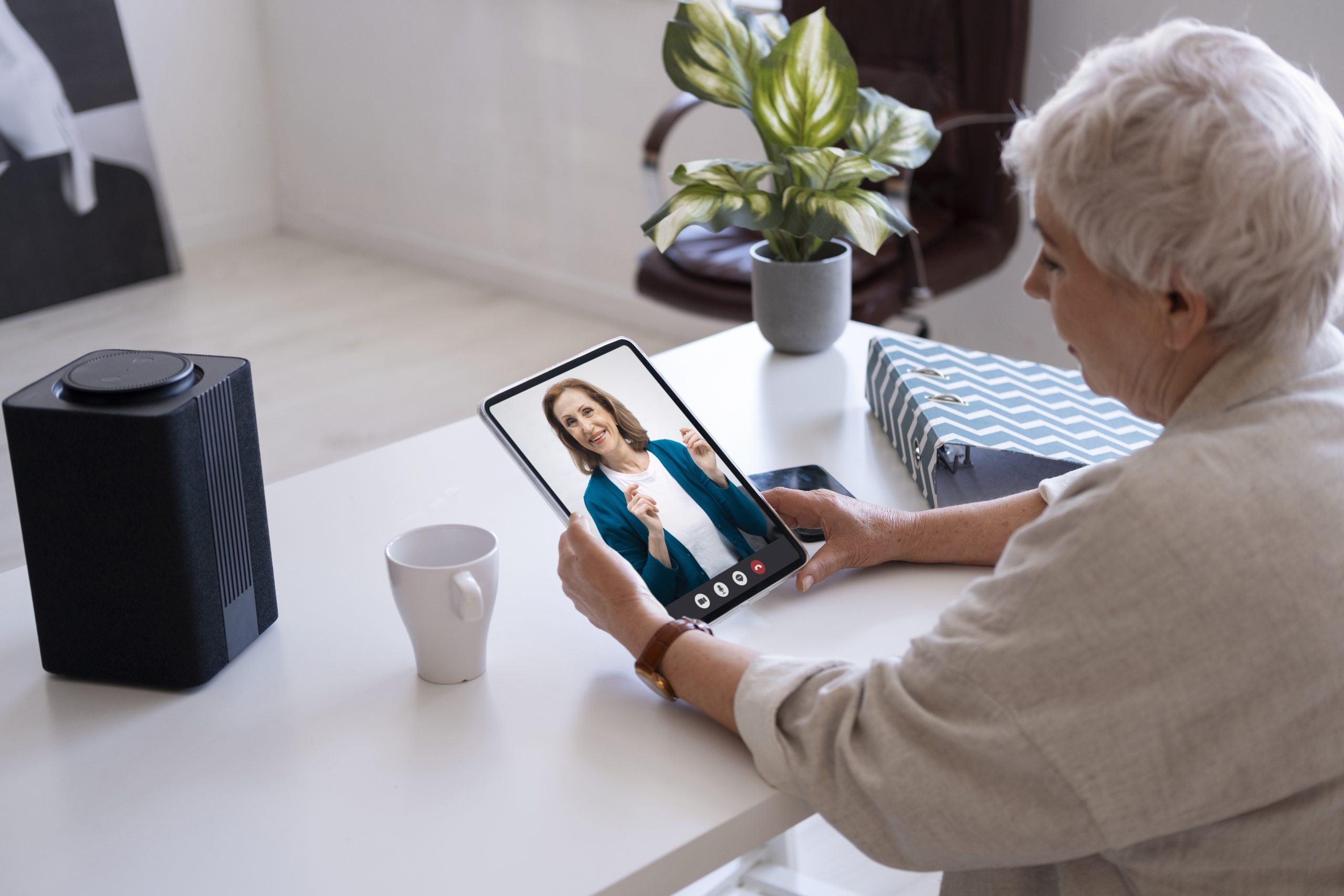
How TLD Supports Veterans and VA Facilities
Language assistance is one of those services people barely notice when it works. When it doesn’t, a simple appointment can become a long and exhausting experience.
The Language Doctors helps organizations address communication barriers through professional interpreting and translation services.
Professional interpretation services for veterans' needs
A veteran may need help understanding a medical consultation or discussing an important administrative matter.
The Language Doctors provides professional interpretation services that organizations can use when they need qualified language support. VA facilities must follow their own procurement and service arrangements when selecting providers.
Certified medical interpreters familiar with VA systems
Medical interpreters need to understand the terminology used during health care appointments.
TLD can help organizations get interpreters with relevant medical qualifications and experience. When requesting services, facilities should specify any VA-related requirements so the appropriate professional can be selected.
Support for multiple languages and dialects
Finding an interpreter for a common language is usually straightforward. A less common dialect may require more planning.
TLD supports multilingual interpreting needs, including requests that call for particular regional language knowledge. Availability should be confirmed for the language and appointment.
Assistance with translated documents for benefits and health care
A veteran might need an important medical document translated or assistance preparing paperwork for submission.
TLD offers certified translation services for documents that require professional translation. Veterans should first check what language assistance the VA can provide free of charge before purchasing a service independently.
Guidance on language access rights and procedures
Not every language access problem requires a lawyer. Sometimes the first step is simply knowing whom to contact.
TLD can explain its interpreting and translation options and help organizations plan appropriate language support. Questions about VA entitlements, formal complaints, or legal remedies should be directed to the VA or a qualified legal professional.
For information about TLD’s services, contact The Language Doctors.
FAQ:
VA provides language assistance without charging eligible service users for interpretation. You shouldn't have to pay for an interpreter during a VA appointment.
Tell the staff member scheduling your appointment which language you need. You can also ask your VA care team or patient advocate for help.
Even if you speak a rare language, the VA can find an interpreter who speaks it. Let them know before the appointment so they have time to find someone.
It’s always for everyone’s best interest to have a certified interpreter. Bringing a friend doesn't replace the facility's communication responsibilities.
Family members generally shouldn't be relied on instead of qualified interpreters for important medical conversations. The VA should arrange appropriate assistance.
Tell the facility you use ASL when scheduling and explain exactly what you need. Explain whether you need a remote or an in-person interpreter.
Ask the staff to contact a supervisor to explore another interpreting option. If assistance is improperly denied, you can file a civil rights complaint.
Ask your VA facility about the specific records you need. Translation of an entire medical record isn't automatically guaranteed, but the VA can discuss available language assistance.
At The Language Doctors, we work with native subject-matter experts across 200+ languages, including Norwegian, trusted for certified document translation.
With our service, you can expect translators who understand the subject as well as the language, certified translation for Norwegian contracts, healthcare and immigration documents, and wording handled for what it means in context, not just what it looks like on the page.
Everything you need for the moments where “easy to learn” is not the same as “easy to translate” and a legal or medical term carries a very specific meaning. We connect you with qualified professionals who understand the terminology and certification requirements involved.
Get your free Norwegian translation consultation today. Accurate, certified and built for official documents.