
Medical Term Translation Mishaps Like “Patient” vs “Patience”


TL;DR: Medical translation has to be exact. A single word can change the meaning of instructions, diagnoses, or consent forms. Small language mix-ups like “patient” vs “patience” can confuse treatment instructions or medical records. Most of these problems happen when documents are translated without medical terminology experience. Careful clinical translation and review help prevent those risks.
Medical language is not casual language. Doctors choose words carefully. Nurses do too. A single term can describe a symptom, a procedure, or a medication instruction. When those words are translated incorrectly, the meaning shifts.
Sometimes only slightly. But in healthcare, small shifts matter. This is where medical terminology translation errors show up.
It may start with a word that looks similar in another language. Or a phrase that technically translates, but does not carry the same clinical meaning. The result can be confusion in a record, a treatment note, or a wrong prescription.
The classic example people mention is the difference between “patient” and “patience.” They look almost identical on the page. But they obviously mean very different things. In medical translation, those kinds of mix-ups can create real problems.
When translators understand the language but not the medical context, then most likely you have to deal with a healthcare terminology mess.

How "Patient" vs "Patience" Translation Errors Harm Care
Healthcare providers have fast communication. Doctors write notes. Nurses update charts. Pharmacists read prescriptions. Patients sign forms. All of it depends on clear wording.
When medical translation introduces errors, even small ones, people may interpret instructions differently.
Prescription Instructions Creating Dosage Confusion
Medication instructions must be clear.
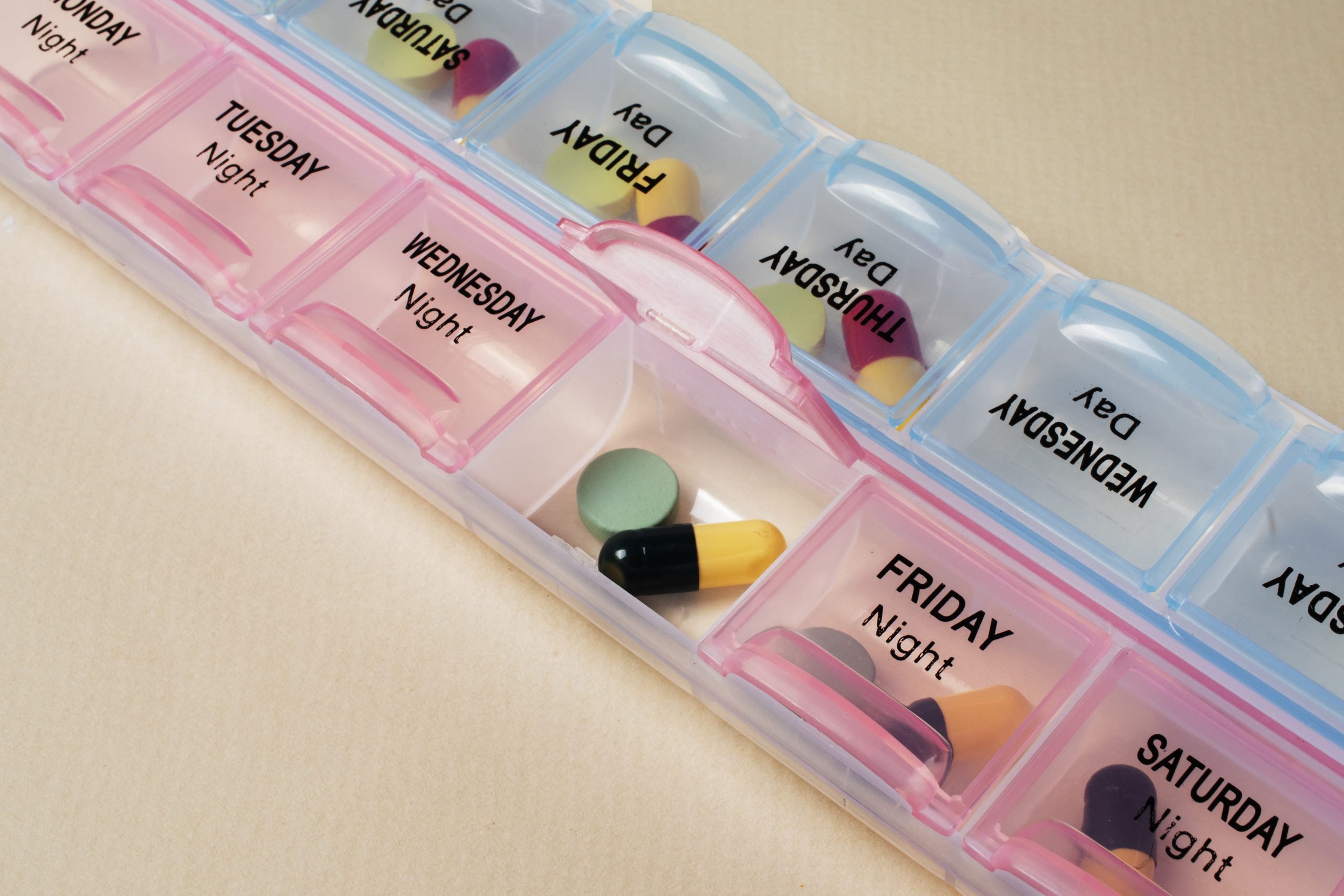
The amount, the timing, and the method of taking a medication all depend on precise language. If a translated instruction changes the meaning even slightly, patients might misunderstand how to take the medicine.
Sometimes the dosage wording becomes unclear. Other times, the schedule changes meaning after translation.
These prescription terminology errors are one of the most common medical document terminology mistakes seen in healthcare settings.
It does not take much. One misplaced word can create confusion.
Consent Forms Misunderstood by Non-Native Speakers
Consent forms explain what a procedure involves and what risks may exist.
Patients need to understand those details before agreeing to treatment.
If the translation uses the wrong terminology or awkward phrasing, the patient may think the procedure means something else entirely.
Hospital form translation risks often appear here. The document may technically be translated, but the medical meaning is not communicated clearly.
That creates both ethical and legal concerns.
Emergency Room Communication Breakdowns
Emergency departments rely on fast communication.
Doctors ask questions. Patients describe symptoms. Nurses document what is happening. When language barriers exist, translated records or interpretation becomes essential.
If medical acronym translation issues or terminology mistakes appear in those notes, confusion can spread quickly.
If a diagnosis term translation fails in emergency situations, it can slow down decision-making when time matters.
Top Medical Terminology Translation Disasters Exposed
Most translation mistakes are caught early. Someone notices the wording and corrects it. However, from time to time, wording mistakes sneak into real clinical situations, and that’s surely not good.
"Intake" vs "Exhaust" in Treatment Plans
Medical instructions sometimes describe how the body absorbs substances or removes them.
Those concepts are easy to misinterpret during translation.
A treatment plan might explain how a medication should be taken or processed by the body. If that terminology shifts during translation, the instruction becomes confusing.
And it’s all because untrained translators focus on literal wording instead of clinical meaning.
"Extract" Medication vs Tooth Removal Mix-Ups
Some medical words overlap with everyday language, but we don’t even realize it. For example, the word “extract” in medicine refers to pulling out a tooth, while in a different daily context, it means we’re talking about a substance derived from a plant.
If a translator does not pay attention to the medical context, the translation may point in the wrong direction.
Treatment instruction terminology pitfalls like this appear in medical notes and patient instructions.
"Issue" Medical vs Legal Problems Confusion
English medical documentation often uses words that carry several meanings.
The word “issue,” for example, might refer to a health concern, a symptom, or a problem in general conversation. If that term is translated literally, it can sound vague.
Medical document terminology mistakes like this create confusion in reports and clinical notes, and that’s something you must avoid.
Real Healthcare Crises from Term Translation Mishaps


Most terminology problems stay small. Someone catches them. The document gets corrected. But occasionally, language mistakes contribute to serious situations. We’ll discuss some of the most severe cases that happen due to poor translation.
Wrong Surgery Performed due to Term Errors
There have been cases where translation mistakes affected surgical documentation.
If a procedure name or diagnosis term is translated incorrectly, medical teams may rely on inaccurate information.
Diagnosis term translation fails like this are rare, but they show how important accurate terminology really is.
Medication Overdose from Instruction Fails
Medication directions depend entirely on language. If the translation changes how a dosage instruction is understood, patients may take medication incorrectly.
Prescription terminology errors have sometimes contributed to overdoses when instructions were unclear after translation.
That is why medical translation requires careful review.
Malpractice Lawsuits Over Language Barriers
Healthcare communication is already hard where there is a language gap between doctors and patients, and things get even worse when the translated documents have mistakes.
This can lead to severe malpractice if the treatment instructions are misunderstood or the medical records are unclear. Malpractice cases generally happen because of healthcare terminology confusion.
Critical Safeguards for Medical Terminology Accuracy
Healthcare providers know how important clear communication is.
Several safeguards help reduce translation mistakes.
Medical Glossary Creation and Validation
Hospitals and healthcare organizations often maintain medical terminology glossaries. This means they have standard lists of how crucial clinical terms should be translated. By doing so, hospitals prevent inconsistent wording and wrong medical term translations.
Physician-Linguist Dual Review Process
A lot of issues get caught when more than one person looks at the document.
The translator focuses on the wording. Making sure it reads correctly in English. But that doesn’t always guarantee the medical meaning is right.
That’s where a second review helps. Someone with a clinical background can look at the same text and catch things that don’t quite match how those terms are actually used.
It’s usually in those small gaps where the translation fails that tend to show up.
Standardized Medical Term Databases
A lot of translation teams keep their own reference lists for medical terms.
It’s not anything fancy on the surface. Just a way to make sure the same term isn’t translated three different ways across one document.
Consistency across documents becomes easier when translators rely on verified terminology.
How TLD Prevents Medical Term Translation Mishaps

The Language Doctors works with healthcare organizations and patients who need reliable medical translations.
Accuracy is the main focus.

Board-Certified Medical Translation Specialists
Our translators are experts in medical terminology and healthcare documentation and they also have long experience in the field. That background helps reduce healthcare terminology confusion during translation.
Clinical Terminology QA Protocols
Medical translations usually go through more than a quick pass.
The wording gets checked against the original to make sure it still carries the same clinical meaning, not just a close translation.
That extra look is what helps catch terminology issues before they turn into bigger mistakes.
Free Medical Term Accuracy Assessment
Sometimes a document has already been translated, but it’s not fully clear if everything was handled the right way.
In those cases, a review makes more sense than starting over. It helps catch terms that don’t quite fit or sections that feel slightly off in context.
A careful check can flag those issues early, before they turn into confusion later on.
TLD Precision Medical Translation Services
Medical communication needs to be clear from the start. There isn’t much room for guessing when the information affects care.
Patients depend on it to understand what’s happening. Doctors depend on it to make decisions without second-guessing the wording.
That’s why accuracy matters more here than in most other types of translation.
Life-Critical Document Translation Accuracy
Medical documents don’t leave much room for error. A small wording issue can change how something is understood.
That’s why reports, treatment instructions, consent forms, and similar records need to be translated with the same meaning, not just similar words.
24/7 Urgent Medical Translation Support
Healthcare does not operate on a nine-to-five schedule. We provide urgent translation support when patients and medical teams need to read documents right away, and there’s no time to lose. The Language Doctors’ medical translators literally save lives.
Get Your Free TLD Medical Quote Instantly
You can request a quote by uploading your documents online. It only takes a moment to send them in.
Once reviewed, you’ll get a clear idea of what’s needed and how the translation will be handled before anything begins.
FAQs
Because two words that look almost the same can point to very different things in a medical context.
A slight change in wording can shift how an instruction is read, and that can affect how treatment is followed.
It usually happens with the details people skim over.
Medication directions, procedure names, short clinical abbreviations, and even how symptoms are described. Those are the spots where translations tend to slip.
Poor translation of a medical document can end up in a legal dispute if the mistakes it contains cause wrong medical treatment or a wrong diagnosis.
Yes. A translated medical document can be reviewed to spot terms that don’t quite match or sections that could be read the wrong way.
We combine medical translation experience with a structured terminology review that guarantees medical documents are accurate and clear.

At The Language Doctors, we specialize in professional medical translation services trusted by hospitals, clinics, healthcare providers, and patients to keep clinical communication accurate when accuracy matters most.
With our service, you can expect board-certified medical translation specialists, structured clinical QA protocols that verify terminology against the original meaning, and 24/7 urgent translation support for documents that can’t wait.
Everything you need to translate prescriptions, consent forms, treatment plans, medical records, and clinical notes with the precision healthcare requires. We offer free medical term accuracy assessments on existing translations, so you can catch terminology issues before they reach a patient.
Get your free medical translation quote today. Accurate, clinically reviewed and built for healthcare.