Coming from Latin America has given me a professional advantage I did not fully appreciate until I moved to Europe. Latin Americans tend to be very flexible – about rates, about conditions, about scheduling.
Networking is essential in this field, and you never know how a client is going to contact you. I have received random WhatsApp messages, calls from people who found my number through a friend of a friend, all sorts of unexpected introductions. That open-mind policy has served me well.
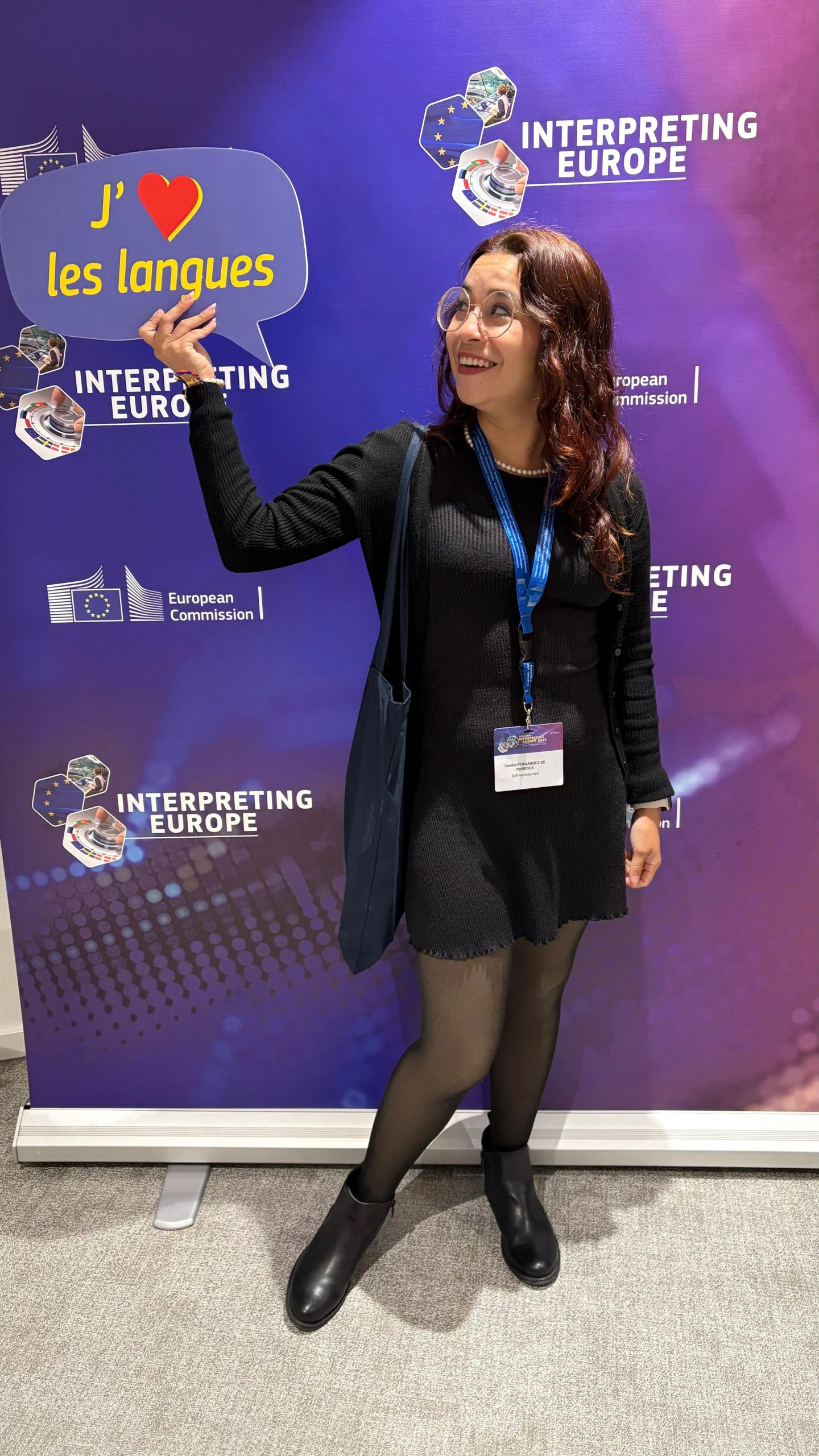
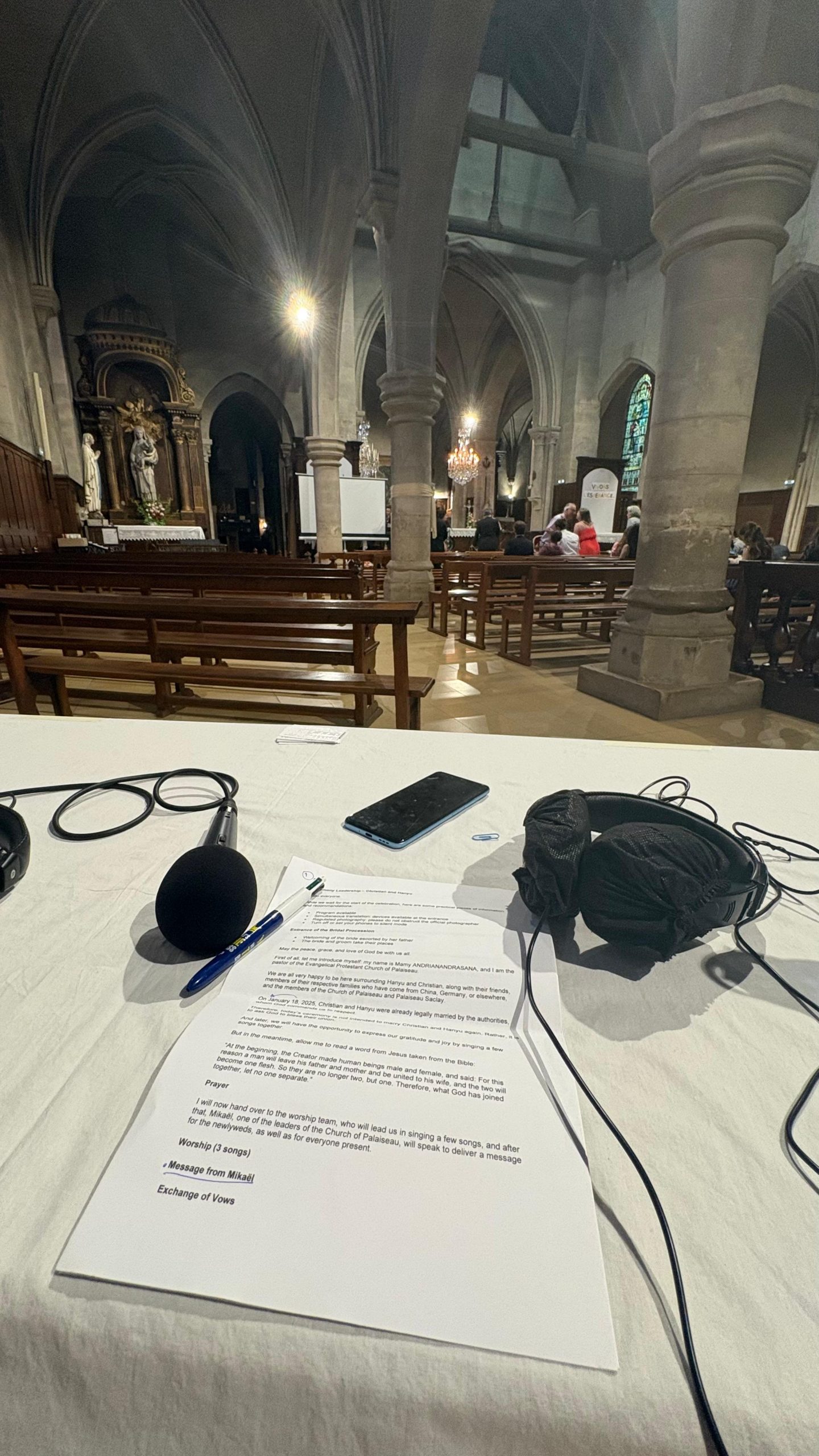
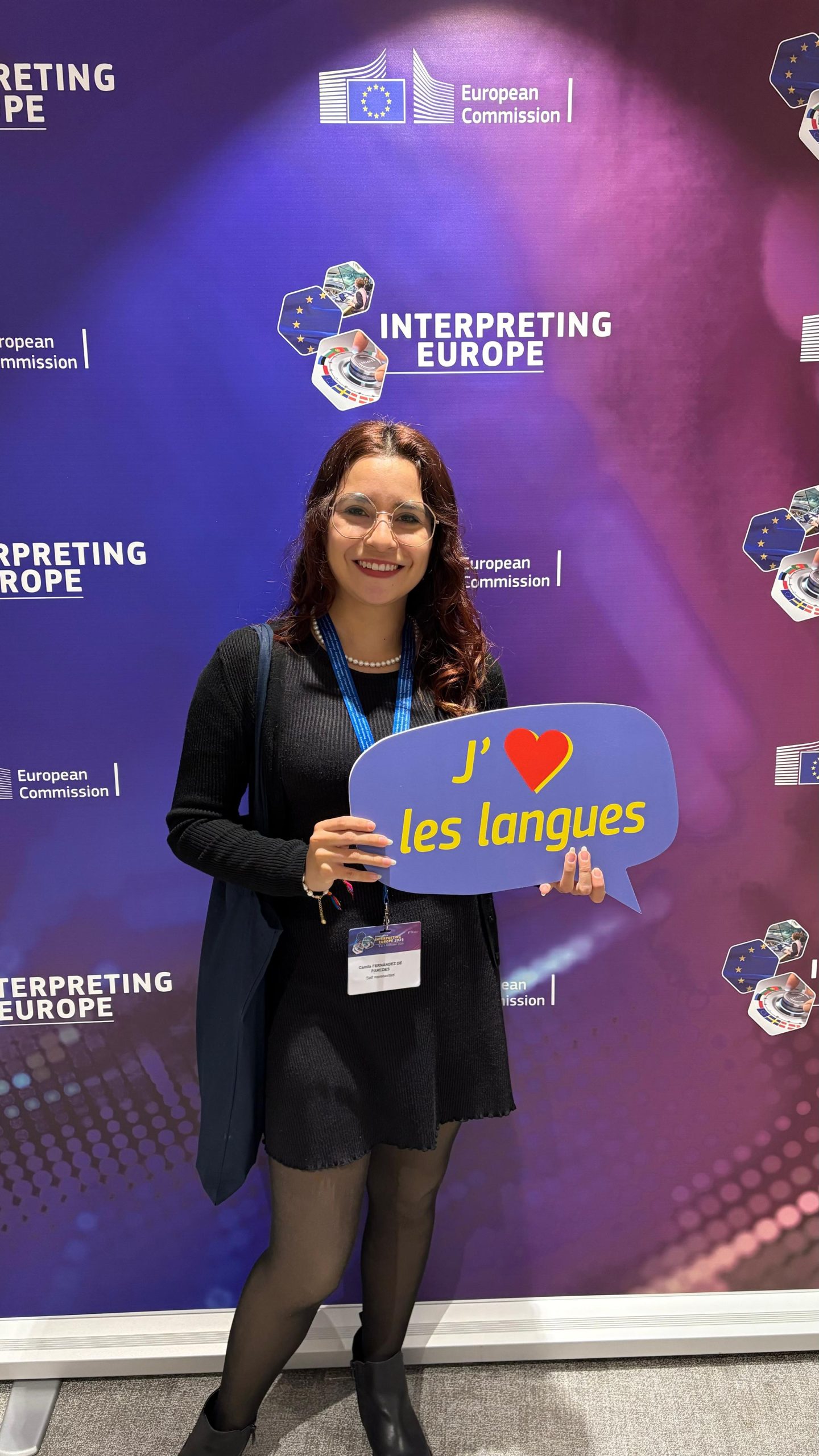
One of my most memorable assignments came exactly this way. Someone from a group of young interpreters I had met at a European Parliament conference in Brussels sent a message asking if anyone was available for a gig in Paris on a specific date. I replied that I was. She passed my number to a friend, who then reached out via SMS to tell me she was getting married and wanted an interpreter for her wedding ceremony in a Paris church.
The bride was Chinese. The groom was German. The priest was French. The guests came from across many nationalities. They had met while doing research in France and communicated with each other in English. Even the wedding brochures were translated. It was a real cross-cultural moment – a Peruvian interpreter, an Italian sound technician who came in for the booth setup, a French venue, and a couple celebrating their love in a language that belonged to none of them.
Later, the bride told me she had checked with local Parisian interpretation companies and it had been far more convenient to fly the Italian technician in with equipment and hire me than to work with a local firm. That flexibility – being open to unusual assignments, being willing to help solve logistical problems – is a real asset that Latin American interpreters bring to the European market.
Some assignments remind you why this work matters.
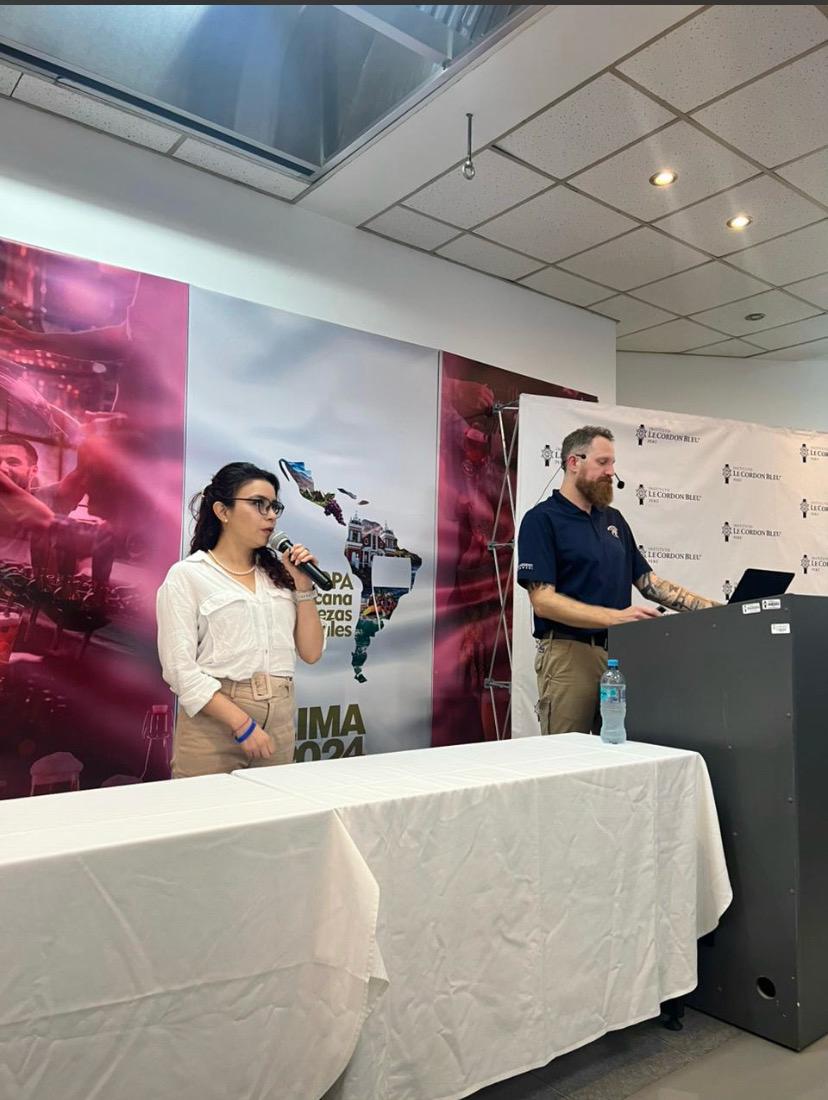
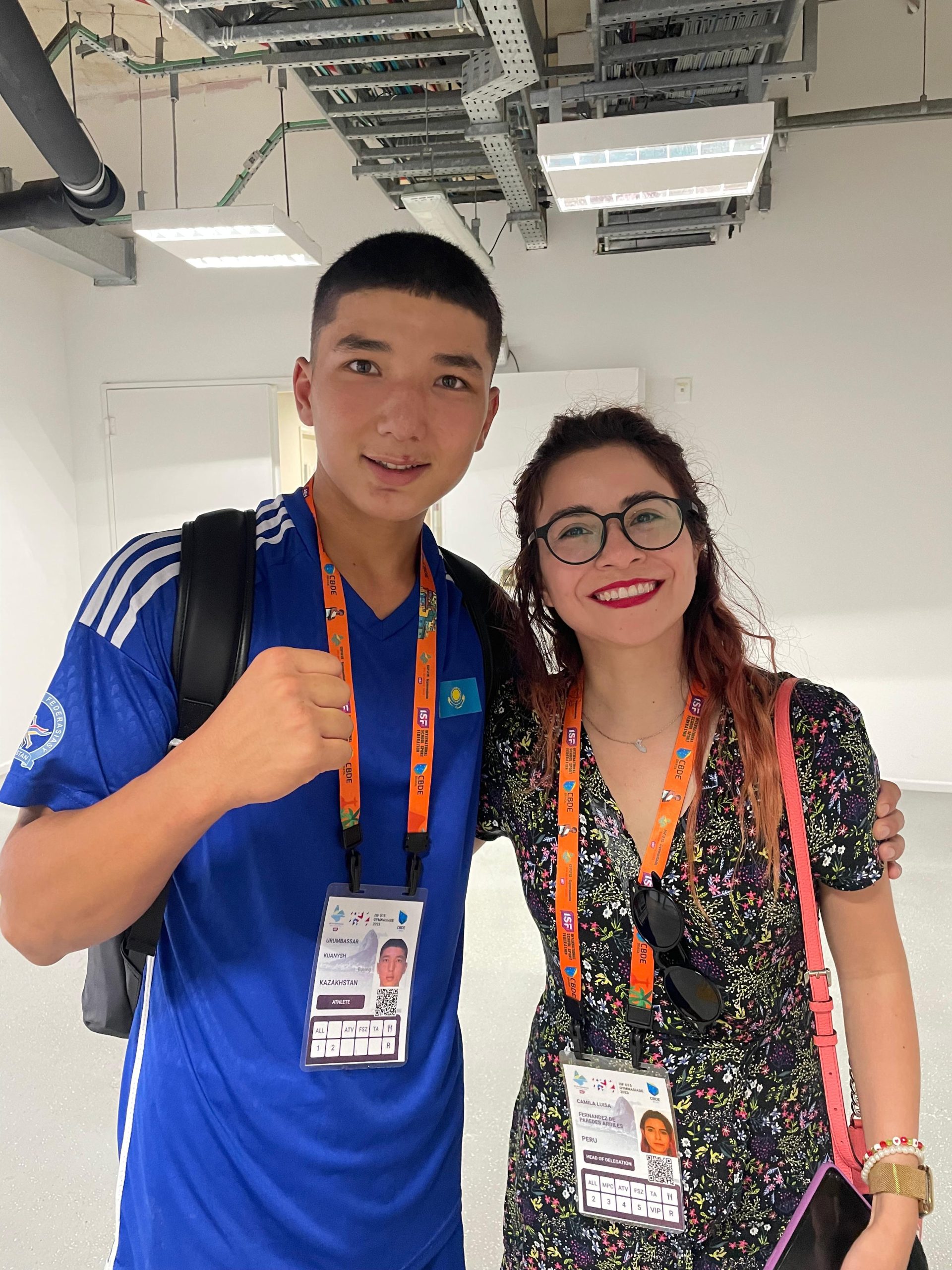
I once had the privilege of working with an international sports federation at an event in Rio de Janeiro. Between the competitions and matches, the federation held mandatory educational sessions for young athletes on preventing abuse in sport. The International Olympic Committee now requires these programs, and this was the first time the federation had ever hired an interpreter for that portion of the event.
For me personally, this was one of the most remarkable moments of my career. I am an advocate against abuse of women and children in every form, and I have done volunteer work in that space my whole adult life. When they asked me to interpret for this program, I did not hesitate.
The challenge was that they had not fully anticipated the language needs. They had assumed all the young athletes, aged ten to fifteen, would speak English. But we had athletes from South America, Africa, Asia, and Europe, and many of the kids were completely lost. There was no booth. There was no equipment. Just me and the speakers.
I had done written translations of these training materials earlier from English into French, Spanish, and Portuguese, so I already knew the terminology. That preparation was a huge game changer. But the interpretation itself had to happen in the moment, consecutively, across two languages at once. English to French. Then English to Spanish. I had to draw the line at Portuguese in the same room because doing three consecutive languages simultaneously was simply too much to ask of any interpreter.
What I remember most from that assignment was watching the young athletes’ faces change as they finally understood what was being taught. Some of the coaches from Spanish-speaking countries approached me afterward, in tears, to thank me. They told me the topic was so important, and they had never realized how much they were missing until they could actually follow along in their own language.
I could not cry in front of everyone during the sessions, but later that night in my hotel room, I did. Interpretation carries a real weight when it works. It changes what happens in a room. It reaches people who would otherwise be shut out.
Working with Language Service Companies
Time zones can be tricky when you split your life between continents. I have had assignments where I forgot to update my calendar after moving between Paris and Lima, and the wrong time zone caused problems. But I have been very fortunate to work with a strong team of language service providers who make the coordination smoother.
With TLD in particular, there is constant communication and consistent follow-up. Even though I have never met any of my project managers in person, I feel a genuine relationship in the messages we exchange. You can tell when a language services company treats you as a person rather than just someone who fills a job. That care makes the work smoother, easier, and more motivating. It also makes you want to keep taking assignments and stay engaged.
That kind of relationship matters more than most people realize. Interpretation is a demanding field, and having partners who value the human side of the work makes all the difference.
AI and the Future of Interpretation
Almost every time I introduce myself these days, someone asks me about AI. It is a real concern in our profession, and I understand why.
Recently, one of the largest technology conferences in the world was held in Barcelona with no human interpreters. The interpretation was fully automated. After the event, I heard so many complaints about the quality that it confirmed what many of us already knew. AI can do certain things. It cannot yet do our full job.
For court procedures, government-level discussions, high-stakes negotiations, and sensitive conversations, you cannot trust AI. AI has no accountability. AI is biased. And AI cannot recognize its own biases the way a human interpreter can.
At the same time, I do not think AI is going away, and I do not think we should be afraid of it. My mindset – which I shared at a European Parliament conference on AI and interpretation – is that interpreters need to learn how to work with the machine and how to train it, so it works with us and for us rather than replacing us.
Interpreters and language professionals sometimes shy away from the commercial side of our profession because we are so passionate about the craft. But we have to engage with it, because if we do not, someone else who does not have our expertise will make those decisions for us.
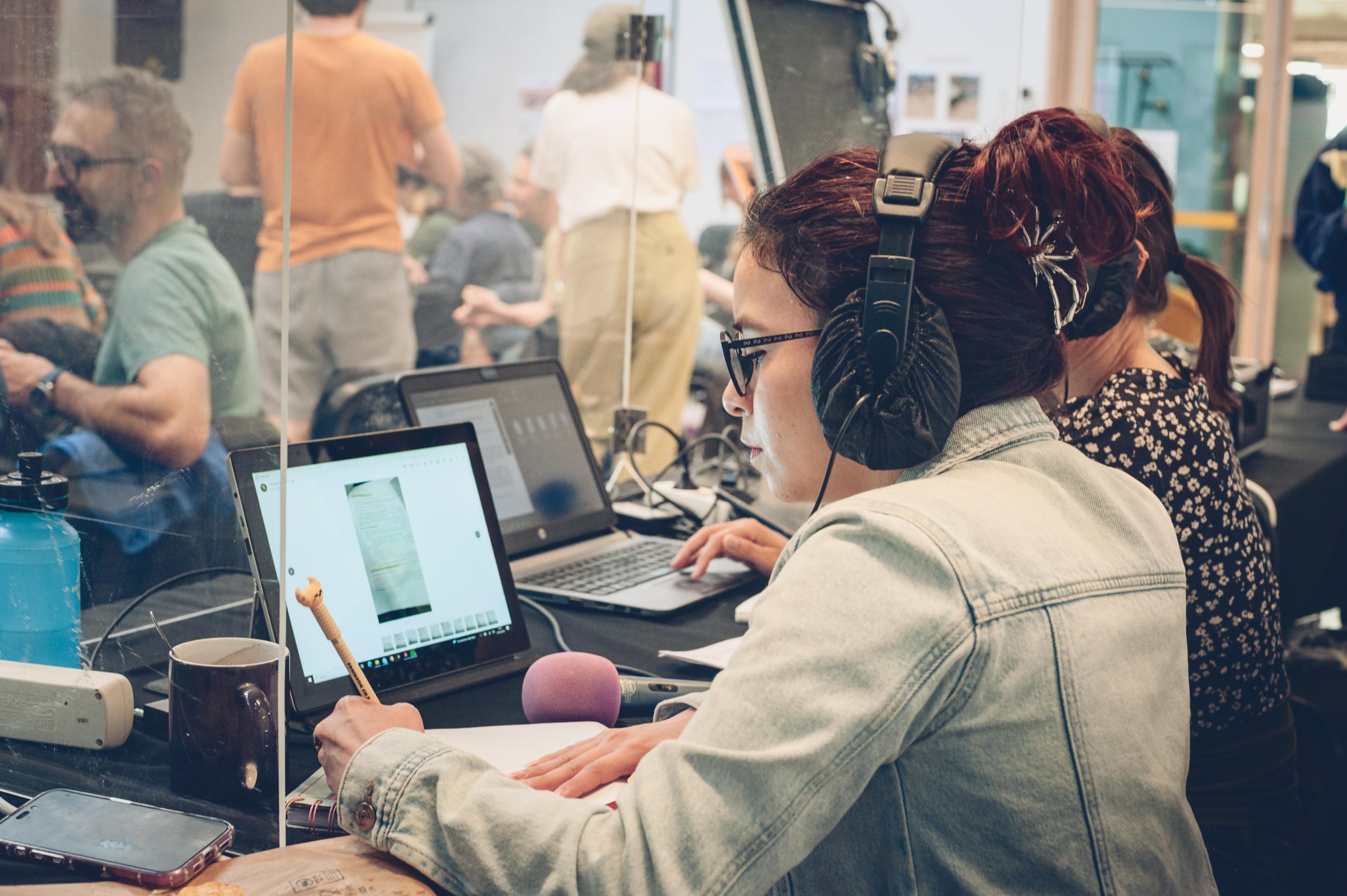
I use AI for preparation work – glossary building, terminology research, summarizing background materials. But I am very careful never to feed confidential client information into these systems. You have no idea how that data will be used or who will access it. Confidentiality is our responsibility as professionals, and no efficiency gain is worth compromising a client’s trust.
The industry will keep changing. Our job is to keep proving that human judgment, cultural awareness, and ethical accountability are things AI still cannot replicate.
Advice for Aspiring Interpreters
If you want to be an interpreter, know that it will not be easy – but if you work hard enough, you can do it.
Keep learning. Travel as much as you can. When travel is not possible, take every opportunity to talk with people from other cultures. Make friends with people who come from the culture of the language you want to work in. That is going to help more than you can imagine, because context and culture are the most important part of what we do.
And do not give up. Do not take rejection personally. Do not take criticism personally. Just keep going.
This field asks a lot of you. But it gives back moments where you know your work genuinely changed something – a wedding celebration that would not have happened without you, a young athlete who finally understood what was being taught, a client who felt heard for the first time in a language that was not their own.
Final Thoughts
Interpretation is a profession built on adaptation. Adaptation to languages. To cultures. To time zones. To unexpected assignments. To evolving technology.
For me, being a Peruvian interpreter in Paris means constantly navigating two worlds – the warm, flexible Latin American approach I grew up with, and the direct, structured European market I now work within. Both have shaped how I do my work, and I would not trade either perspective.
At the heart of everything, though, is a simple truth: interpretation matters because people matter. Every interpreted conversation is someone being heard. Every good assignment is a bridge that would not otherwise exist. Every wedding, every training session, every business meeting where we help two sides truly understand each other – that is why we do this.
Key takeaways from this conversation:
- Flexibility is an asset, not a weakness. Being open to unusual assignments and cultural styles has been a professional advantage in my career.
- Cultural fluency is as important as language fluency. Understanding how different cultures communicate is essential to serving clients well.
- Interpretation carries emotional weight. Some assignments genuinely change lives, and honoring that responsibility is part of the profession.
- AI is a tool, not a replacement. Interpreters need to engage with AI thoughtfully, protect confidentiality, and continue proving what human judgment brings that machines cannot.
- Relationships with language service providers matter. Working with partners who treat interpreters as people, not just contractors, makes everything smoother.
- Never take anything personal. In a global freelance profession, this mindset is the foundation of everything.
At The Language Doctors, we are proud to work with interpreters like Camila who bring cultural depth, professional integrity, and genuine care to every assignment. Interpretation is not just a service – it is the human bridge that makes cross-cultural communication possible, and we are honored to help build those bridges every day.
Cross-Cultural Communication is produced by The Language Doctors, delivering certified translation and professional interpretation in 200+ languages worldwide. New episodes twice a month.
Listen to the full conversation with Camila Fernández De Paredes on Spotify, YouTube, and wherever you get your podcasts.
Connect. Resonate. Succeed.