
Community & Culture / Language Services: The Silent Surge...
Language Services: The Silent Surge of August 2026


Language Services: The Silent Surge of August 2025
August didn’t make headlines – but it should have.
While the news cycle chased elections and AI hype, language access quietly gained ground in courtrooms, statehouses, and apps across the U.S.
Here’s your low-noise, high-signal rundown.
Legal & State Trends
States Still Betting on Interpreters - Even If the Feds Aren’t
Florida doubled down with new interpreter trainings and orientation programs, while Massachusetts advanced a Language Access and Inclusion Act that could force agencies to translate documents into 10+ languages and verify machine translation with human oversight.
Why it matters:
Federal agencies may be cutting back, but states are pushing forward – training, credentialing, and legislating for certified interpreters. That’s a steady stream of demand for professionals who can pass the tests and show up in court.
Big Tech Goes Multilingual
Google Translate Adds Real-Time Speech + Practice Mode
On August 26, Google quietly rolled out live two-way speech translation – think interpreter-lite for phone calls and travel – and a new AI-powered practice mode that personalizes language learning.
- Piloted in the U.S., India, and Mexico.
Useful for tourists and day-to-day convos – not legal docs, USCIS filings, or depositions.
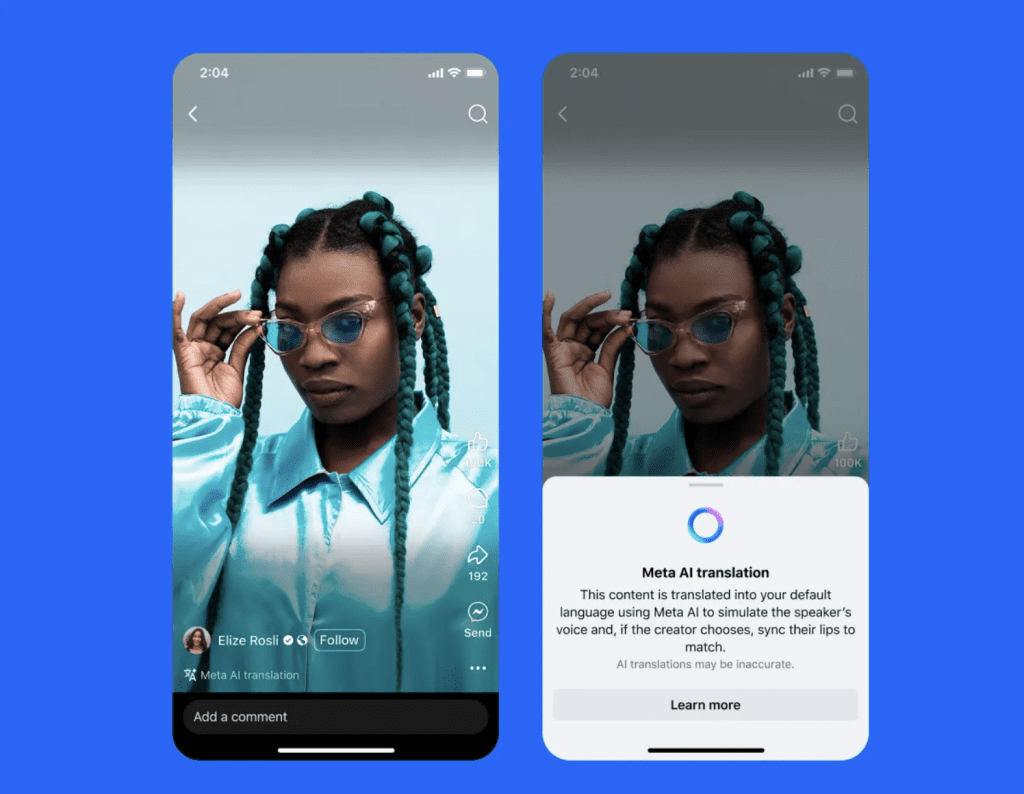
At the same time, Meta (Facebook/Instagram) launched AI voice translations for creators, starting with English ↔ Spanish. Expect more clients asking: “Can’t AI just dub this?”
Our take:
Auto-dub tools are booming. Your response should be clear: great for reach, not regulation.
Labor Market Check
Interpreters & Translators: Still Small, Still Strong
The Bureau of Labor Statistics (BLS) updated its August data:
- 2% projected job growth (2024–2034)
- ~6,900 job openings per year, mostly from replacement demand
- Strongest demand: healthcare, courts, and government work requiring certification.
Translation?
It’s not a boom. It’s a quiet constant. The market isn’t exploding, but it’s not going anywhere either.
The Takeaway
August gave us a quiet signal:
Language access isn’t dying – it’s decentralizing.
States are holding the line. Tech is moving fast. The market wants both speed and standards.
Want to stay ready?
Get credentialed. Stay visible. Have your “Why we’re not Google Translate” pitch ready.
And if you’re a client wondering how to balance it all?
We can help.
The Language Doctors builds language access strategies that pass the test – courtroom, clinic, or content studio. Contact us today: https://thelanguagedoctors.org/