
Contract Translation Mishaps That Broke International Deals


TL;DR: International contracts break over translation mistakes more often than expected. Sometimes it is one word or a delivery date. Sometimes, a liability clause that no longer means the same thing in another language. Companies have lost millions in arbitration because the translated version quietly changed the legal meaning of the deal. The Language Doctors helps businesses catch those issues before contracts are signed.
Most bad contract translations do not look bad at first, and that is part of the problem.
The document reads smoothly. Everyone signs it. The deal moves forward. Then a dispute starts six months later, and suddenly both sides realize they were working from two different meanings the entire time.
International lawyers see this constantly in cross-border contract blunders. Especially when contracts move fast, and translation becomes the last thing reviewed before signature.
A mistranslated sentence can affect payment obligations, penalties, intellectual property rights, delivery dates, or arbitration protections. And once the contract is signed, fixing it gets expensive very quickly.

Occidental Petroleum vs Ecuador: $1.77B Arbitration Translation Disaster
The arbitration dispute involving Occidental Petroleum and Ecuador still gets mentioned in legal translation discussions years later.
Not because translation alone caused the case. It did not. But wording and interpretation issues became part of a very expensive legal fight.
That is usually how these situations happen. Translation problems rarely explode immediately. They weaken clarity slowly until a dispute exposes them.
"Solemnidades" mistranslated as formal vs legal requirements
One heavily discussed issue involved the Spanish word “solemnidades.”
In ordinary language, translating it as “formalities” sounds reasonable. Legally, though, the meaning leaned closer to mandatory legal requirements.
That small shift matters in arbitration. A clause that sounds procedural in English may carry stricter legal force in Spanish.
This is where legal terminology contract fails become dangerous. The translation can sound perfectly fluent while still changing the legal effect of the contract.
Single word cost Ecuador government billions in damages
The case eventually led to arbitration awards tied to roughly $1.77 billion before later developments and settlements.
No serious lawyer would say one word alone created the entire outcome. But unclear wording weakens arguments. It creates openings. Opposing legal teams notice those openings immediately.
That is why billion-dollar translation losses are not treated as exaggerations anymore in international law.
Poorly translated clauses weakened entire legal defense
Once arbitration begins, every sentence gets dissected.
If the translated clause does not fully match the legal intent of the original version, the defense starts losing strength before hearings even begin.
International arbitration translation errors often start long before court. Usually, during rushed contract preparation.
Tech Giant Loses $71M on Liability Clause Mistranslation

One technology company reportedly lost around $71 million after a liability limitation clause changed meaning in translation.
The original contract restricted financial exposure. The translated version softened that protection just enough to create a different interpretation during litigation.
Nobody noticed during negotiations. That happens a lot in global partnership translation failures. The wording still sounds professional. The contract still looks polished. But legally, the protection is no longer as strong as the original.
Technology contracts are especially vulnerable because licensing agreements and liability clauses depend on extremely precise language.
UK Manufacturer's "Within 60 Days" - "After 60 Days" Penalty
Some translation mistakes look tiny on paper. This one involved a shipment timeline.
A UK manufacturer entered a dispute after translated wording changed “within 60 days” into language closer to “after 60 days.” Just one preposition shifted the delivery obligation completely.
One preposition changed delivery obligations completely
In manufacturing contracts, delivery wording controls everything around production schedules and penalties.
One side believed the contract allowed delivery any time after the sixty-day mark. The other believed delivery had to happen before it.
That is how delivery timeline translation disputes start. Not from dramatic errors. From normal-looking sentences.
£75K arbitration penalty from minor translation error
The disagreement reportedly ended with arbitration costs and penalties near £75,000. Not a headline-making disaster. Still expensive. Still avoidable. A proper bilingual legal review probably would have caught it in minutes.
German legal translation ignored English contract priority
The situation became worse because the translated version did not clearly preserve the English-language priority clause.
So the argument shifted again. Now both parties were fighting over which contract version controlled the agreement.
International trade contract translation risks tend to grow this way. One unclear sentence creates three separate legal problems afterward.
EU-South Korea FTA Delayed by 207 Contract Translation Errors
Even governments struggle with multilingual contracts. The EU-South Korea Free Trade Agreement reportedly faced delays after reviewers identified more than 200 translation issues across language versions of the agreement.
Some were small inconsistencies. Others affected interpretation directly.
Trade agreements are massive documents. Technical regulations, tariffs, intellectual property rules, compliance language. Tiny inconsistencies spread quickly through hundreds of pages.
Contract translation errors international deals are not limited to private companies. Governments deal with the same problems too.
Shanghai Maritime Court: 5% of Disputes from Contract Translation
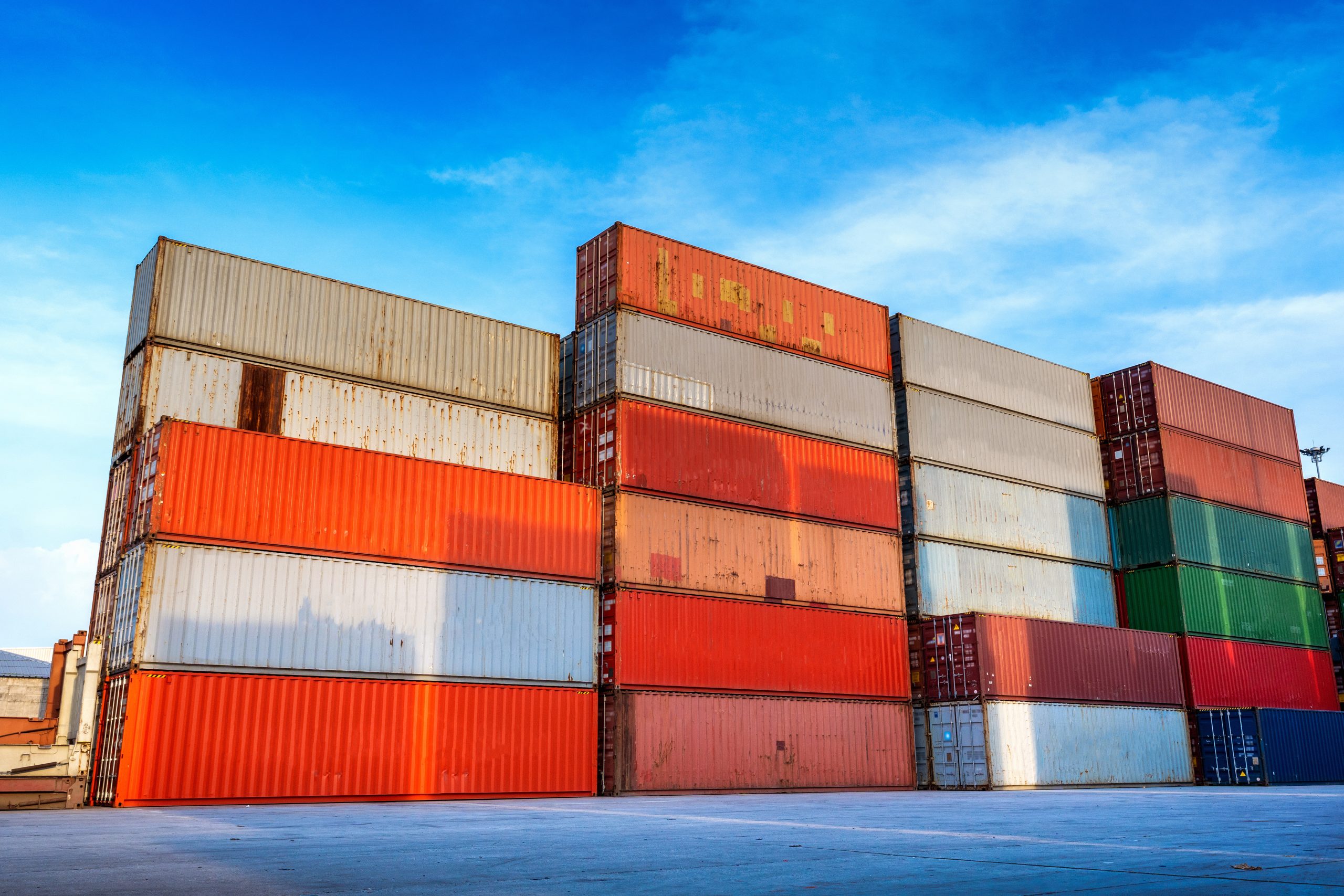
Maritime contracts create another layer of risk because they combine technical language with international law.
Reports tied to the Shanghai Maritime Court suggested around 5% of some disputes involved translation-related contract issues.
That number is not surprising. Shipping agreements contain maintenance terminology and insurance clauses, as well as operational obligations and industry-specific language that does not translate cleanly without context.
"Drydocking" mistranslation changed maintenance obligations
One maritime dispute reportedly involved the mistranslation of “drydocking,” which altered maintenance responsibilities inside the contract.
Technical industries are full of terms like this. Literal translation is not enough. Oil and gas agreements face similar problems all the time.
Governing language disputes cost millions in litigation
Sometimes the translation itself stops being the main issue. The real fight becomes which language version controls the contract. That alone can cost companies years of litigation and enormous arbitration fees.
Machine translation used for complex maritime contracts
Some businesses still use machine translation for complicated international contracts because it feels faster and cheaper. For legal agreements, that shortcut creates real risk.
Machine translation misses context constantly. Especially with technical and jurisdiction-specific wording.
"Chicken" Contract Clause Vanishes - Becomes "Chickpeas"
Food industry contracts have produced some strange translation stories over the years.
In one example, wording connected to chicken products reportedly shifted toward terminology associated with chickpeas during translation edits. It sounds ridiculous afterward. But nobody noticed before signature. That is what makes these mistakes dangerous.
Performance obligations disappeared in translation
The wording problem affected delivery obligations tied to the agreement. By using a term that seemed “close enough”, crucial expectations from the contract were removed. The worst thing? Nobody realized it on time.
Punctuation error made non-binding clauses enforceable
Translation failures are not always about vocabulary either. Sometimes punctuation changes legal force. One comma can turn a recommendation into a binding obligation. Courts have argued over less.

Food metaphor completely altered legal obligations
Informal phrases and metaphors also create trouble in multilingual contracts.
A phrase that makes sense culturally in English may translate literally somewhere else and distort the intended meaning completely.
TLD's 7-Step Contract Translation Bulletproof Process
The Language Doctors approaches contract translation differently because legal meaning matters more than sounding elegant. Clean language here is totally useless if the legal meaning underneath is off.

Lawyer + native linguist dual certification
The contracts go through both legal review and native-language review before anything is finalized. A translation can sound completely natural and still change the legal meaning of the agreement.
Governing law jurisdiction terminology mapping
The same legal term can mean different things depending on the country or legal system, even when the contract is written in the same language.
TLD reviews the wording with the governing law in mind, because legal meaning can change from one jurisdiction to another.
Back-translation verification against original
For sensitive agreements, translated sections are checked against the original version through back-translation review. That process catches meaning shifts ordinary proofreading misses.
Free contract risk assessment before signature
Businesses can also request a pre-signature review to identify possible translation risks before a dispute ever happens.
Contract Translation Industries Most at Risk
Some sectors face these problems more often because the agreements are highly technical and usually involve multiple countries, regulators, and legal systems at once. A single mistranslated clause can affect liability, payment terms, compliance obligations, or dispute resolution years later.
Oil & Gas arbitration exposure from technical terms
Energy contracts combine technical operations with enormous financial exposure. Small wording mistakes become major arbitration problems later.
Manufacturing supply chain delivery disputes
Manufacturing agreements frequently trigger disputes tied to timing and logistics. Some also have issues with shipment obligations which creates large-scale consequences.
Technology IP licensing clause ambiguities
Technology contracts depend heavily on precise intellectual property and liability language. Ambiguity creates expensive litigation very quickly.
TLD International Contract Translation Services
The Language Doctors works with businesses handling international contracts, arbitration preparation, and multilingual legal agreements.
$1M+ contract accuracy performance guarantee
High-value contracts go through layered legal and linguistic review procedures.
48-hour rush certification for deal closings
Whenever an international deal lacks a certification and it’s an urgent situation, this can be obtained in 48 hours through the rush certification service.
Free first contract page translation audit
If an existing translation seems off, businesses can ask for a review before moving forward.
Multi-jurisdiction legal review teams
TLD coordinates reviewers familiar with multiple legal systems and international contract standards.
FAQs
One of the most cited cases involving problems of translation and interpretation is the Occidental Petroleum arbitration concerning Ecuador, which ultimately resulted in awards of approximately US $1.77 billion.
The Language Doctors uses legal review, native linguists, terminology mapping, and back-translation checks to preserve legal meaning across every contract version.
Industries such as oil and gas, manufacturing, shipping, technology licensing and international trade are most likely to encounter problems as the contracts are technical and often involve multiple countries and legal systems.
TLD can review bilingual contracts prior to arbitration to find inconsistent wording and terminology issues, but most of all clauses that may be interpreted differently across languages.
Many urgent contracts can be reviewed and certified within 48 hours depending on length and language pair.
At The Language Doctors, we specialize in professional international contract translation services – trusted by corporations, legal teams and global enterprises to protect high-value deals from costly arbitration disputes.
With our service, you can expect lawyer-linguist dual certification, legal jurisdiction mapping and back-translation verification that eliminates ambiguity before signature.
Everything you need to secure cross-border agreements – from liability clauses and licensing deals to commercial contracts. We offer affordable flat-rate pricing and a free contract risk assessment, so you always know what to expect with no hidden fees.
Get your free global contract translation quote today. Legally precise, compliant and built for high-stakes deals.